Chinese history is traditionally told through its dynasties (chao dai, 朝代). Each dynasty was a family's mandate to rule — the Mandate of Heaven (tian ming, 天命) — granted when virtue prevailed and withdrawn when corruption set in. To read the dynasties in order is to watch a civilization invent bronze, writing, philosophy, paper, gunpowder, and the civil service, then reinvent itself again and again across millennia. Below, every major dynasty and age of division is gathered in one illustrated timeline.
The Dynasties at a Glance
朝代一览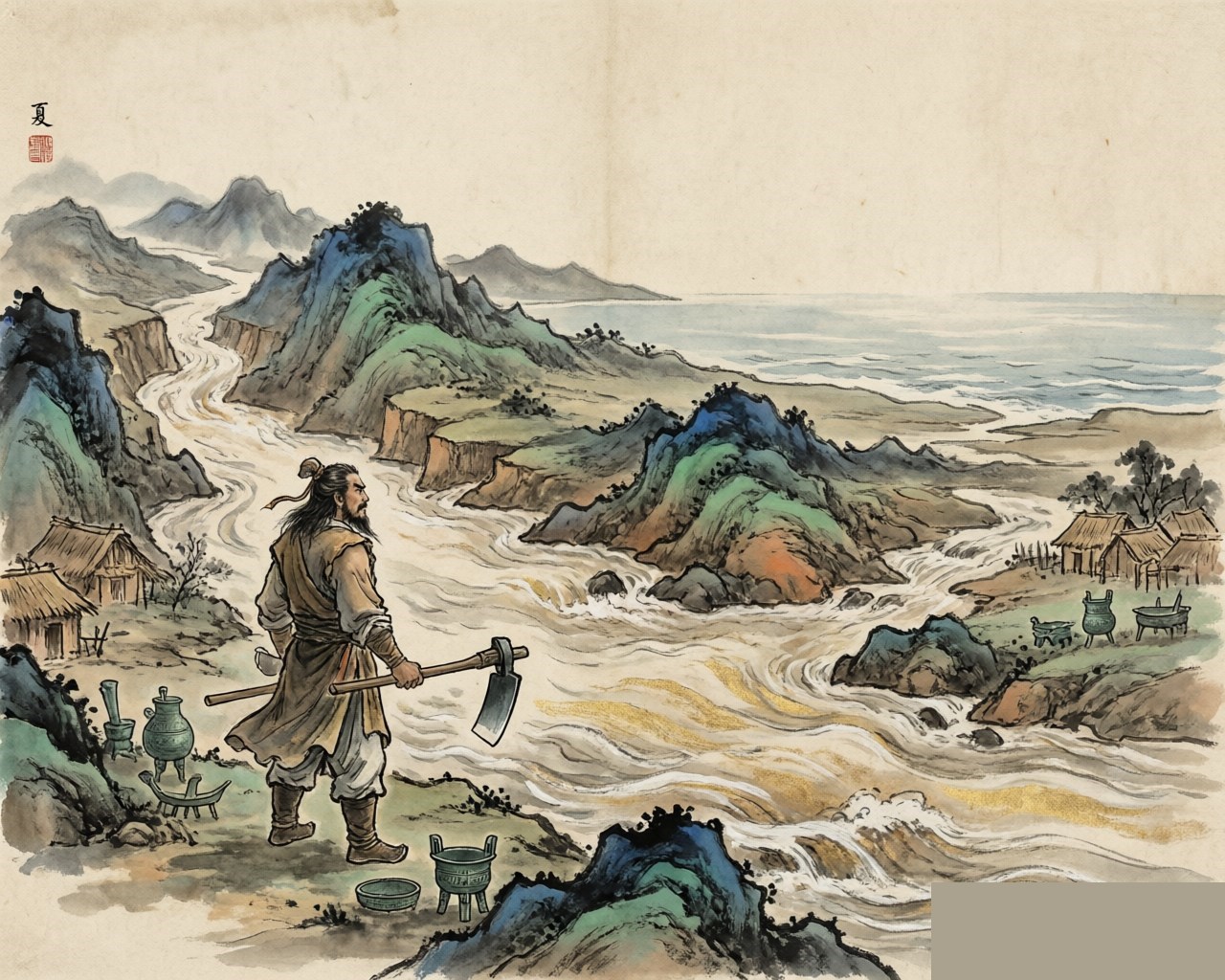 Ancient
China's first dynasty, half history and half legend, founded by Yu the Great after he tamed the primordial floods.
 Ancient
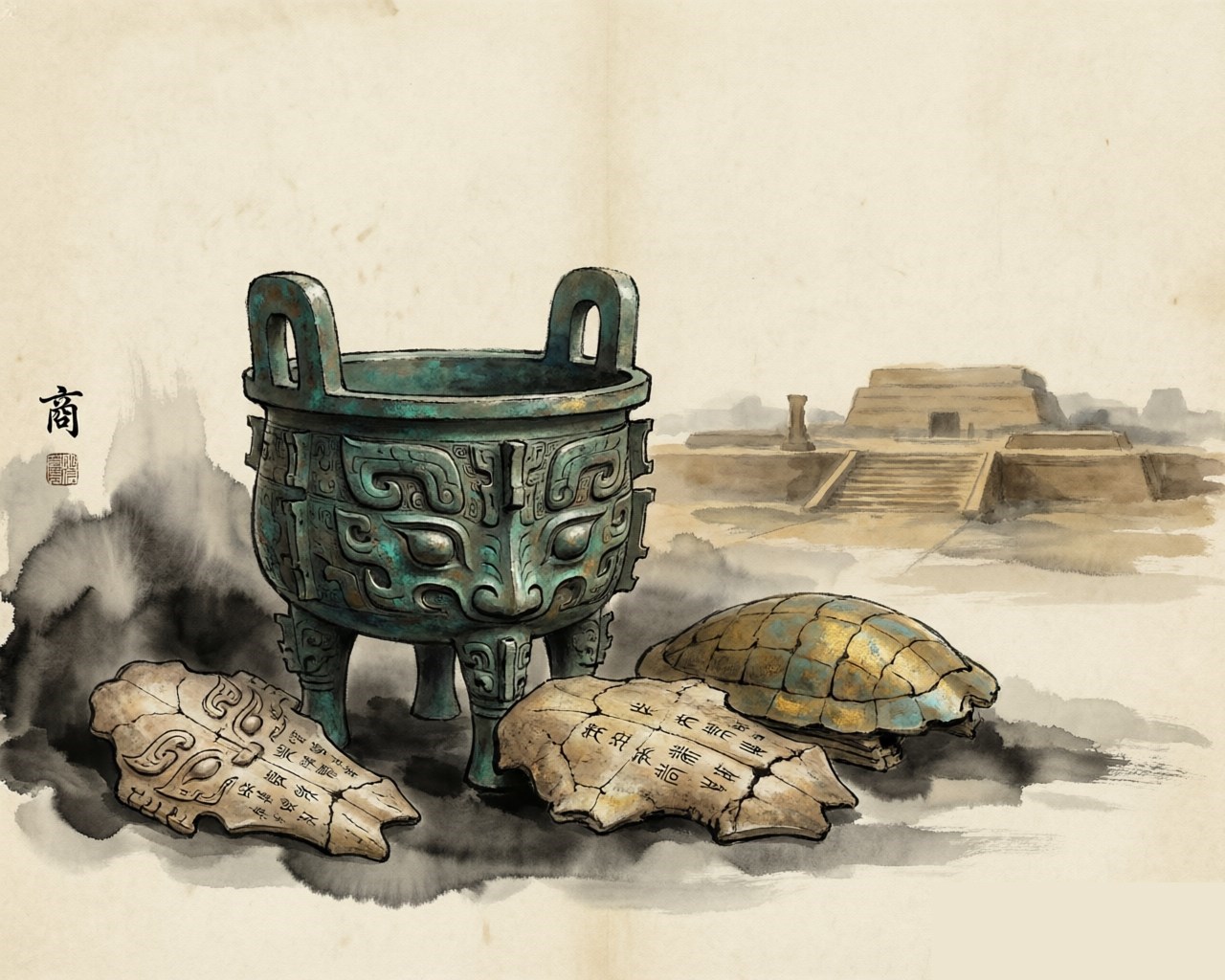
The Bronze Age dynasty that gave China its earliest confirmed writing, etched onto oracle bones for divination.
 Ancient
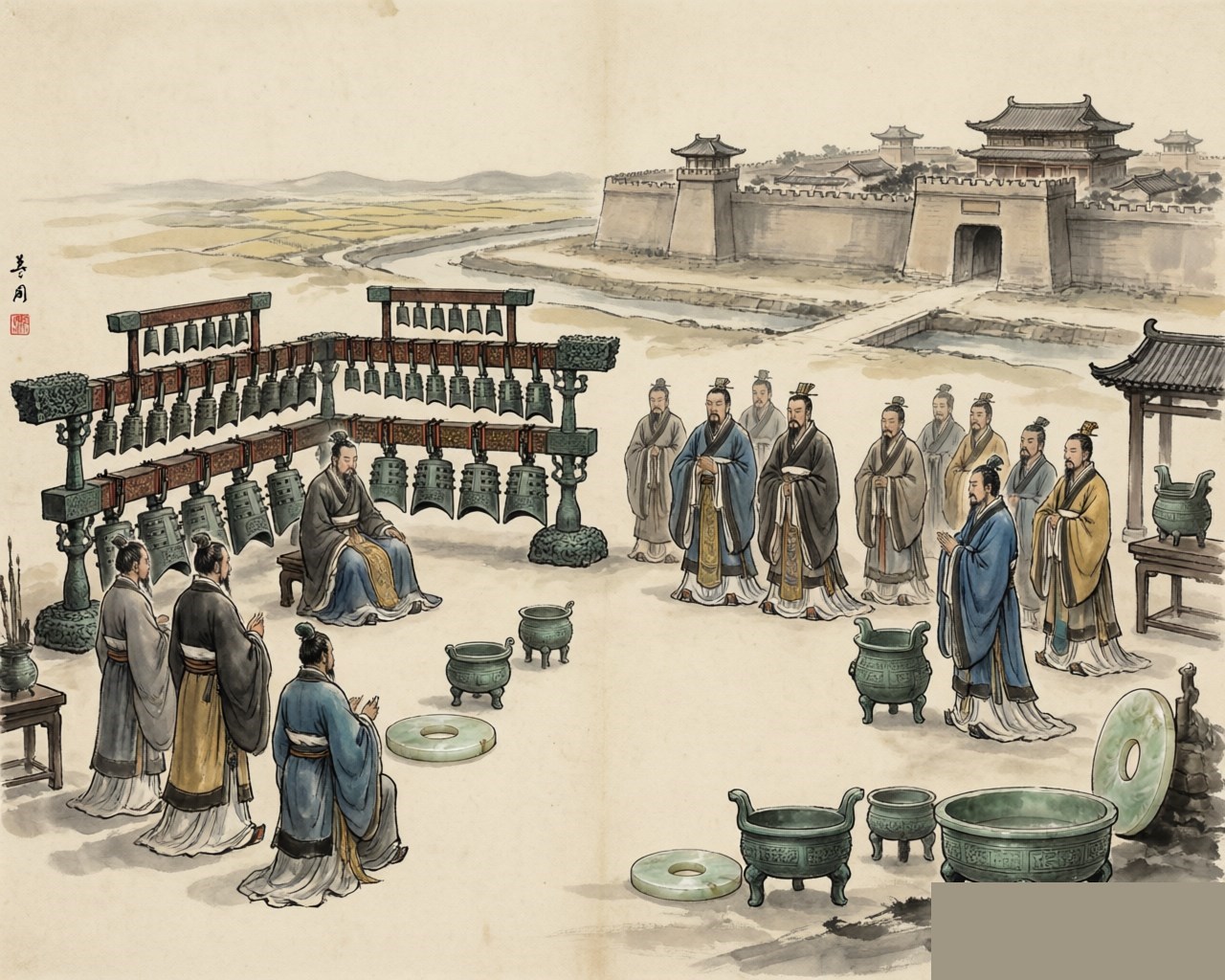
The longest dynasty, whose later centuries bloomed into the Hundred Schools of Thought — Confucius and Laozi among them.
 Early Imperial
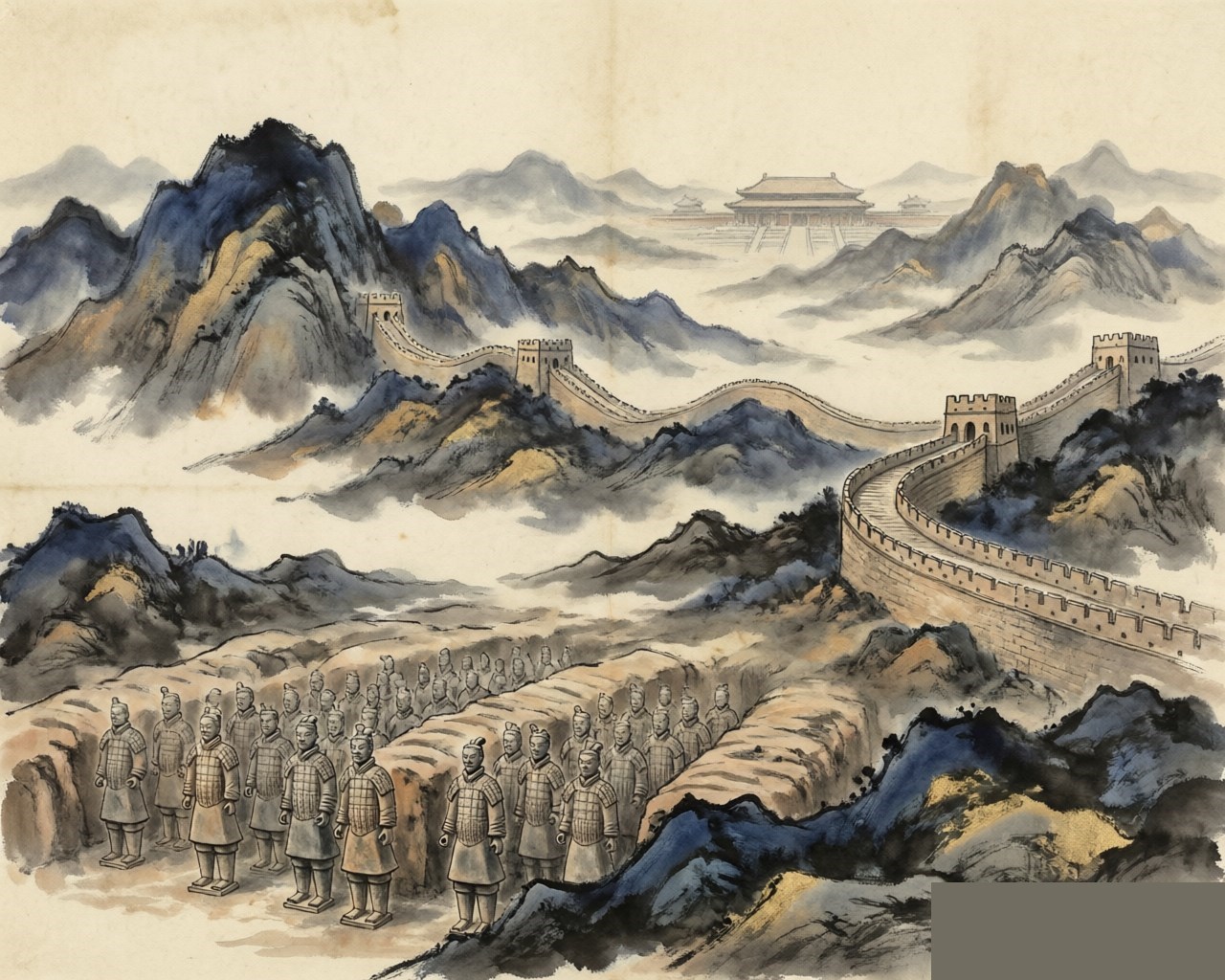
Brief but world-shaping: the First Emperor unified China, its script, and its roads — and lent the country its Western name.
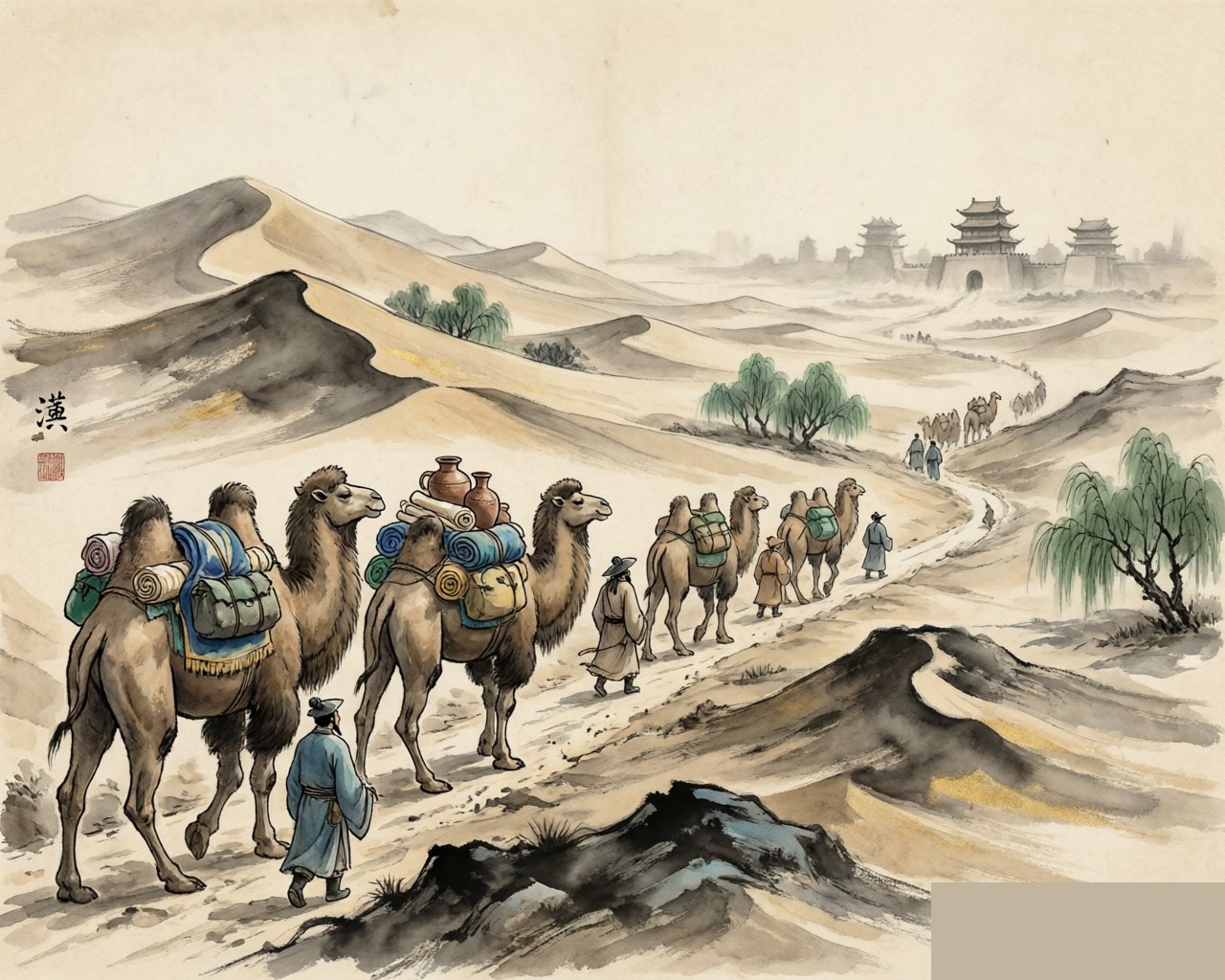 Early Imperial
A golden age so defining that China's majority ethnic group still calls itself "Han." The Silk Road opened to the West.
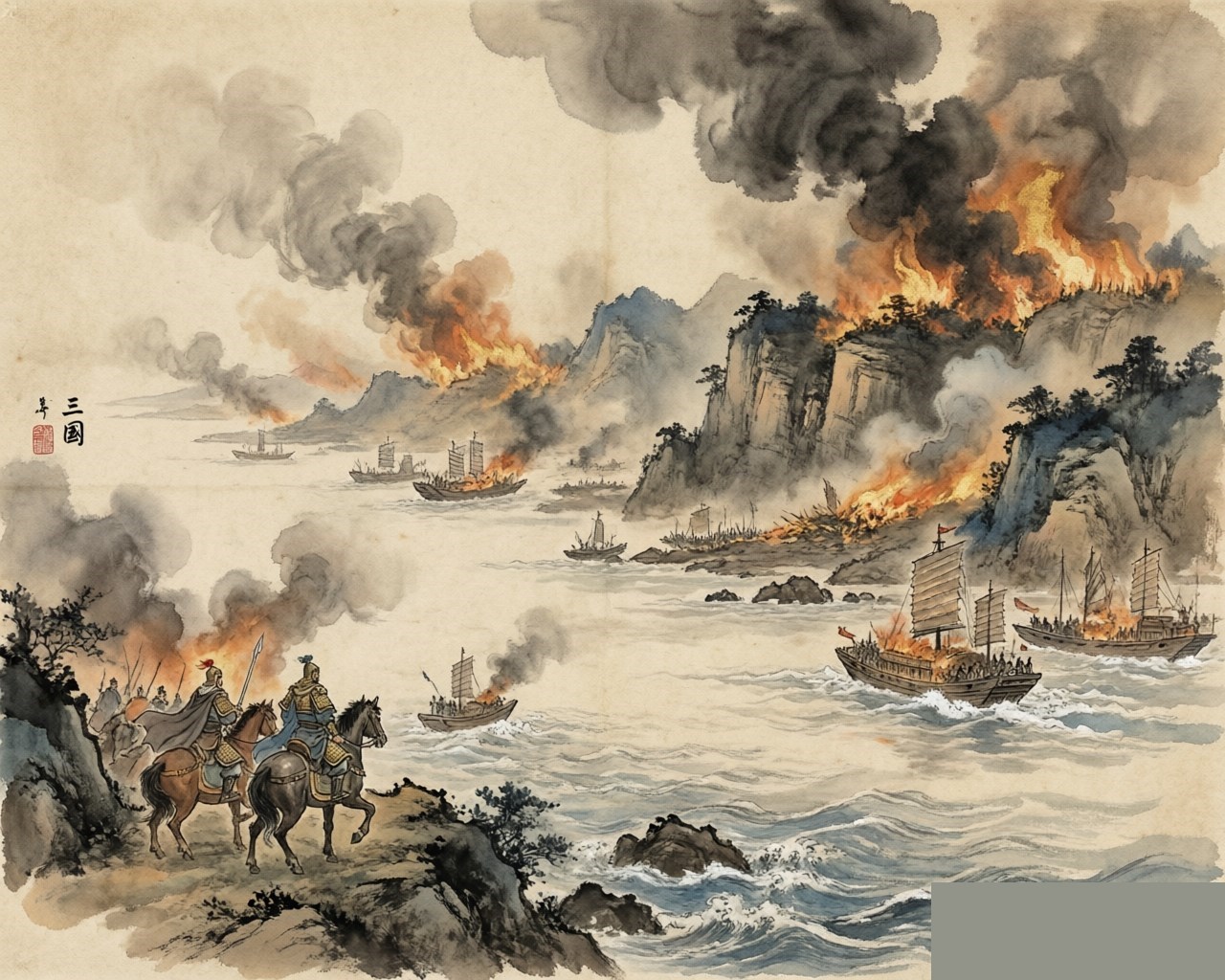 Division
Wei, Shu, and Wu warred for supremacy in an age of legendary strategists — China's most romanticized era of division.
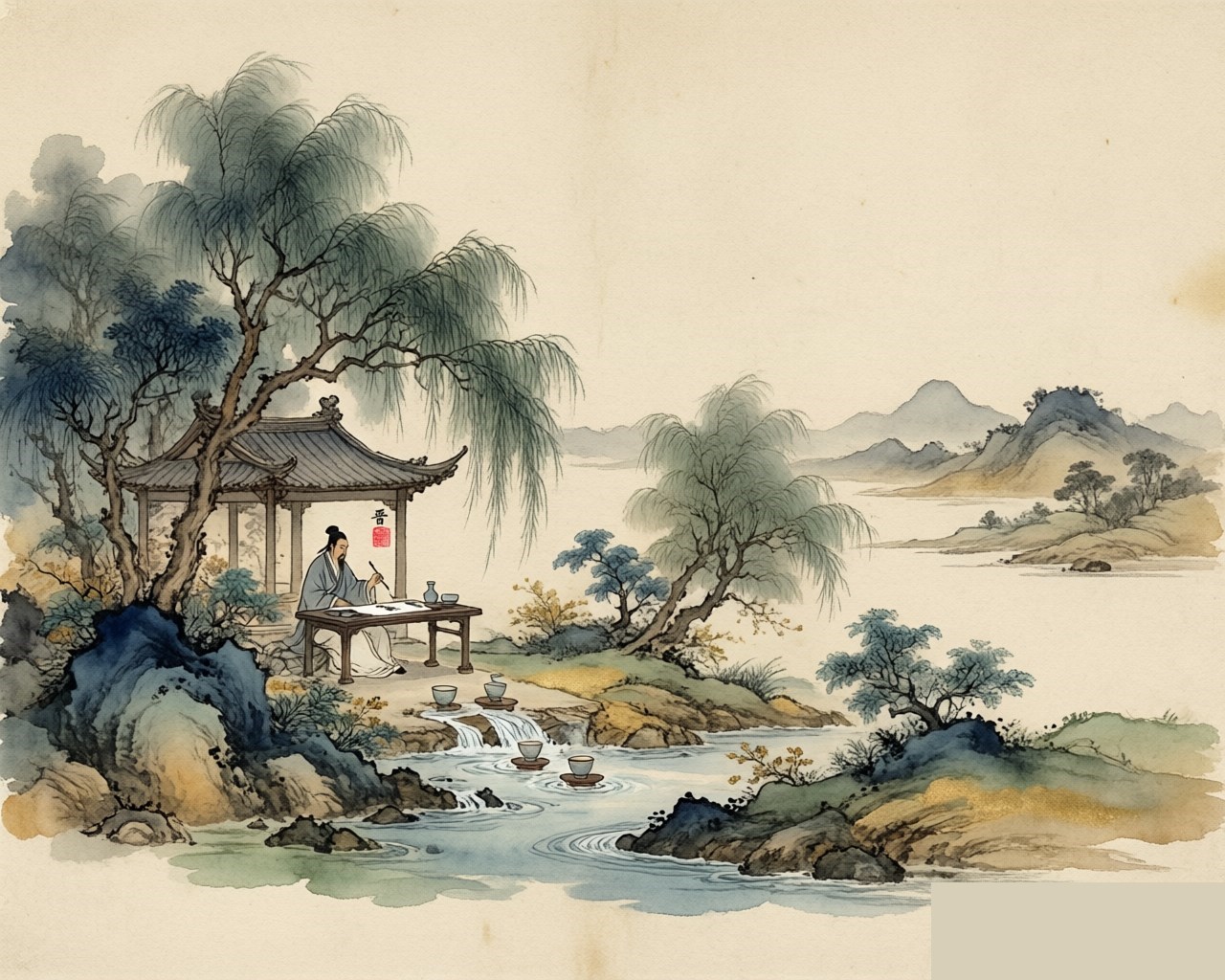 Division
A briefly reunited empire that fractured again, yet produced China's greatest calligrapher, Wang Xizhi, and an age of refined literati.
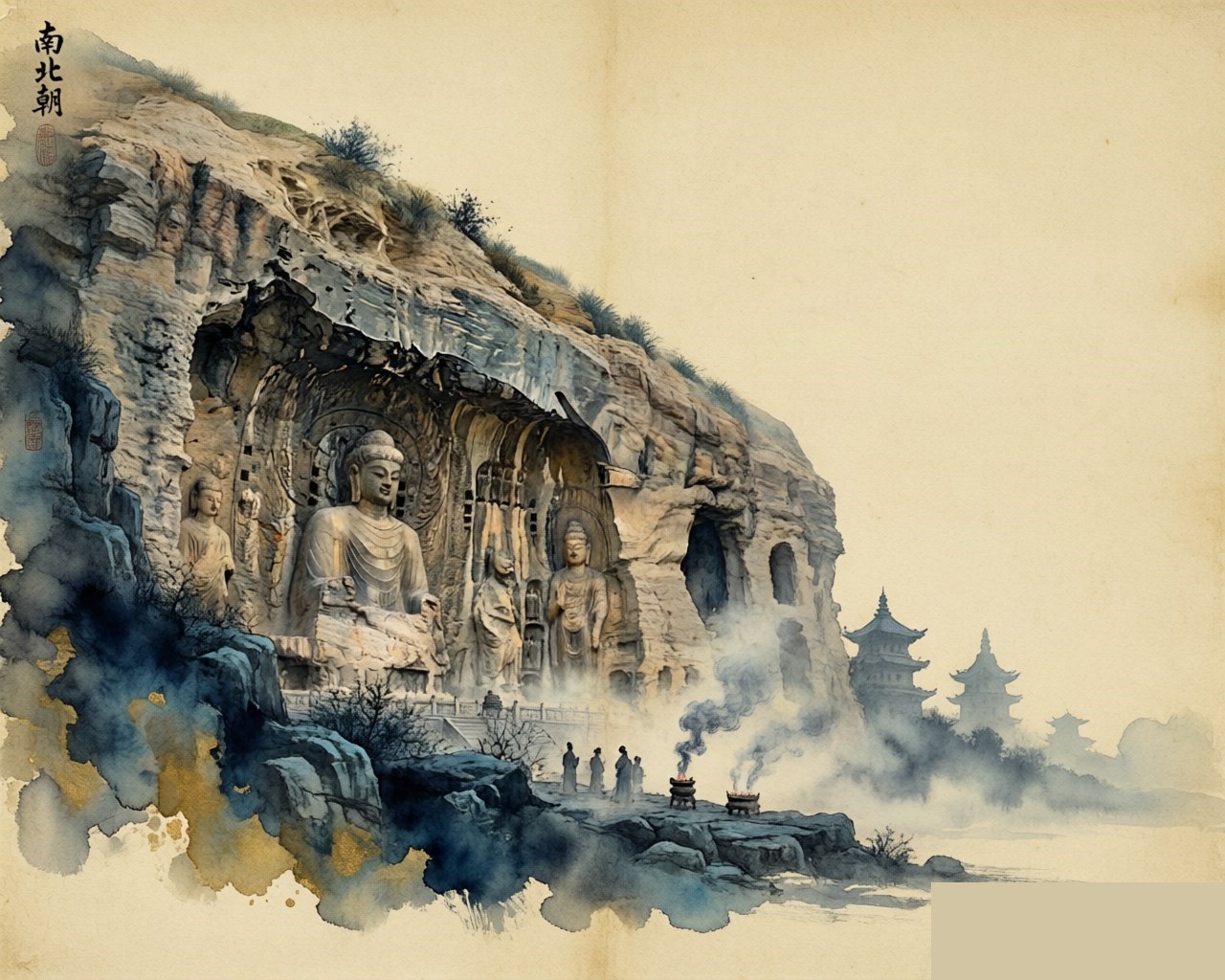 Division
A fractured age of northern nomadic kingdoms and southern courts, when Buddhism took deep root and carved its great cave temples.
 High Imperial
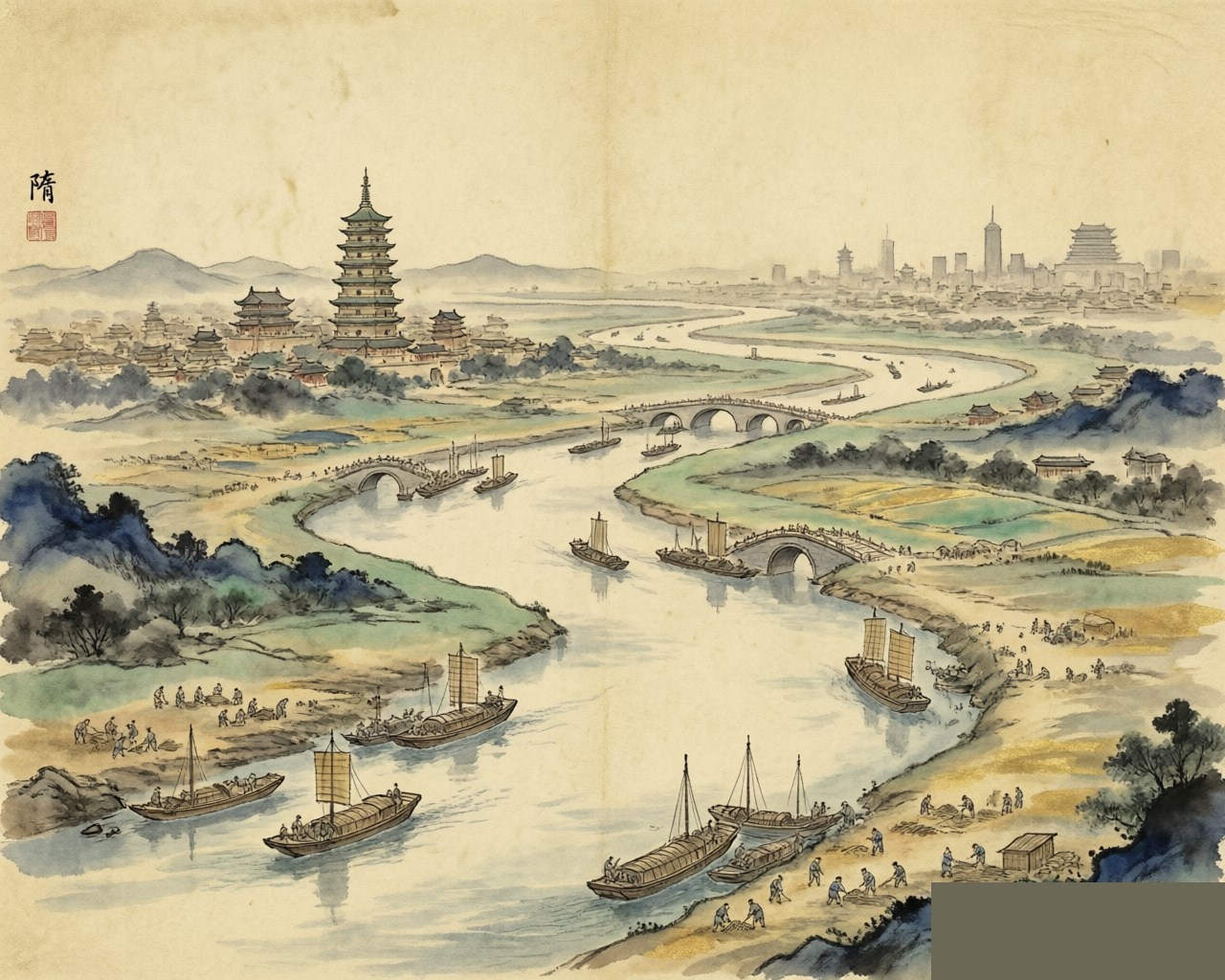
Short-lived like the Qin, yet it reunified China and dug the Grand Canal — the artery that would bind north and south for a thousand years.
 High Imperial
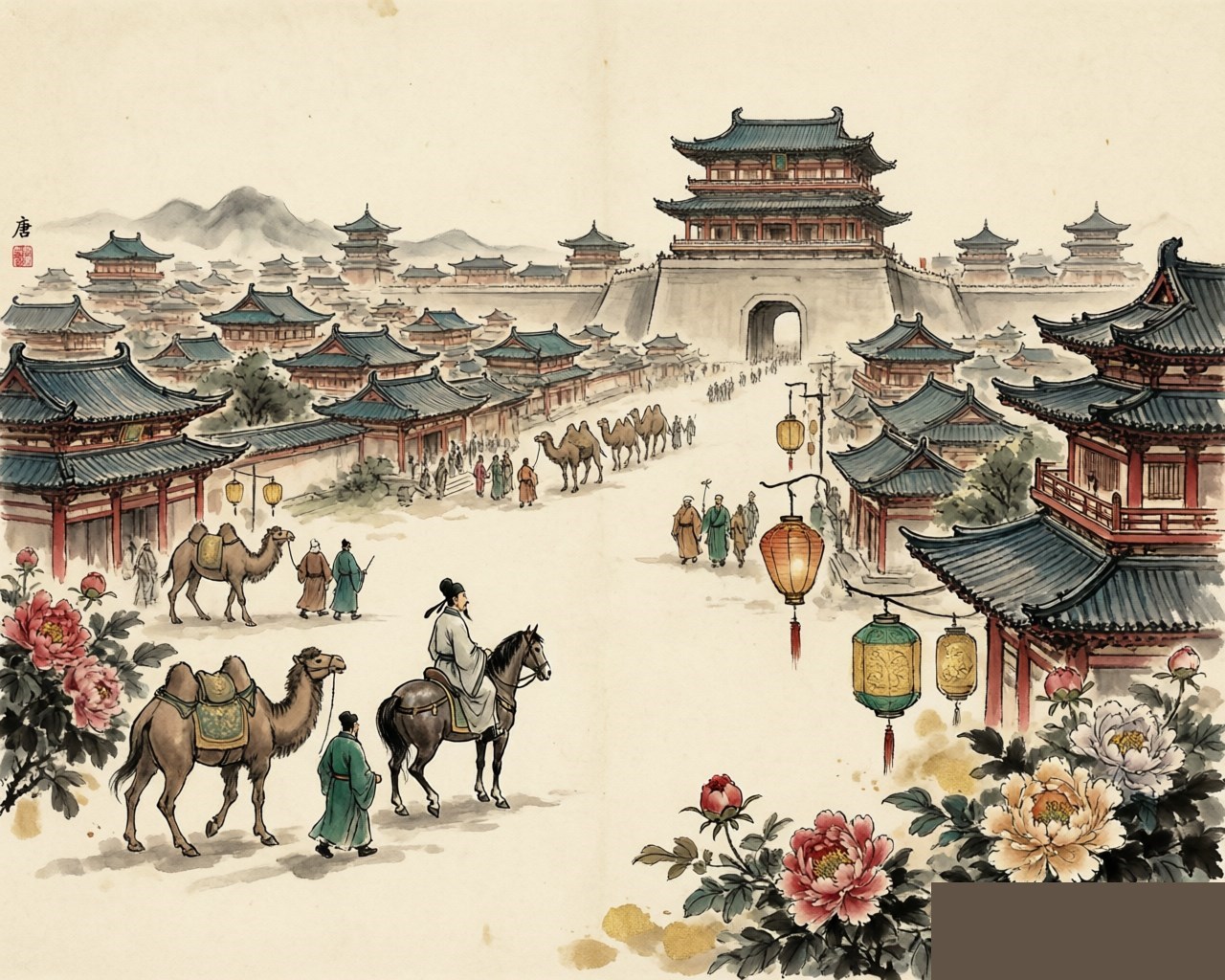
China's cosmopolitan zenith — an age of poetry, openness, and global reach, when its capital was the largest city on earth.
 Division
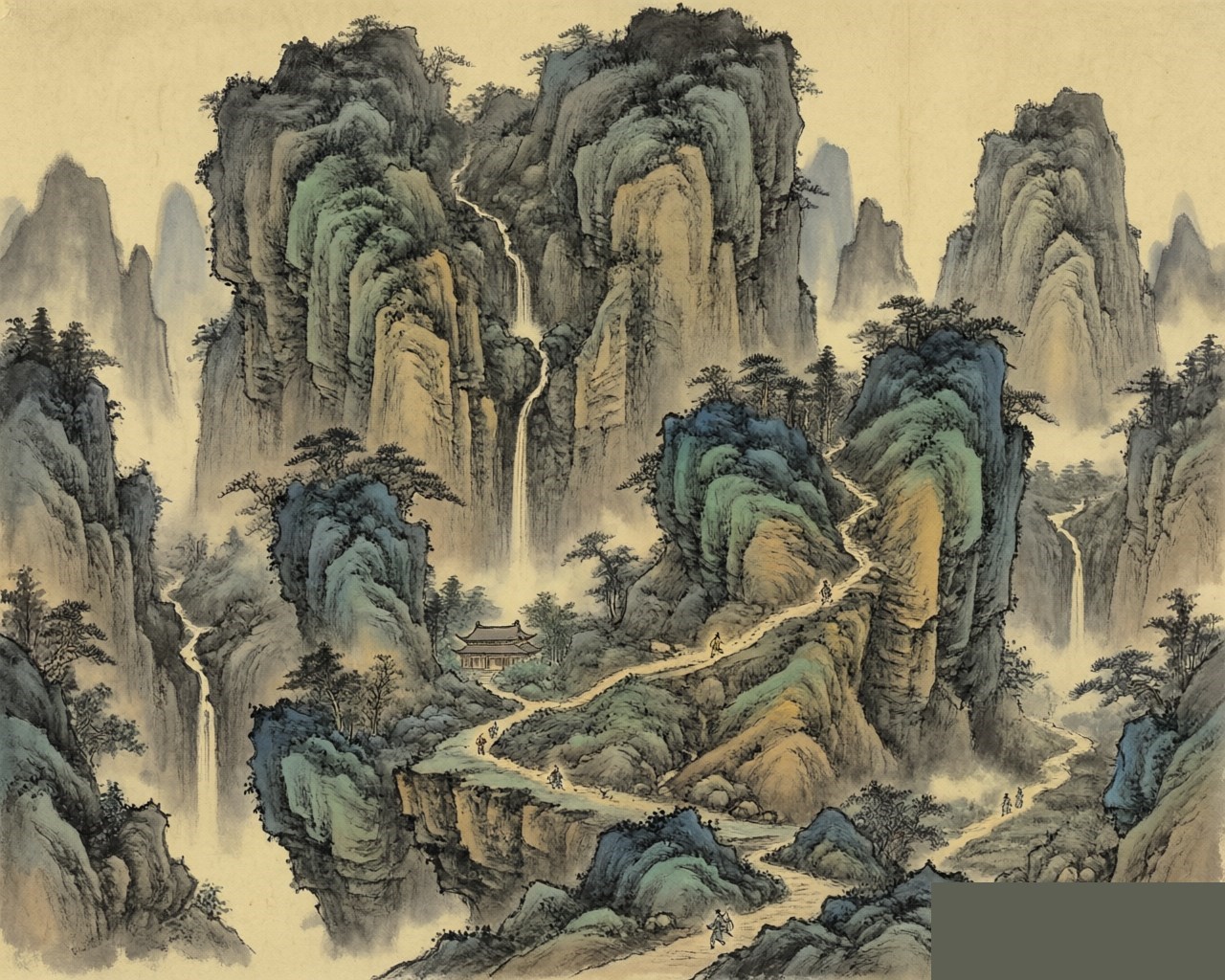
A half-century of rapid turnover in the north and splintered kingdoms in the south — yet a golden age of monumental landscape painting.
 High Imperial
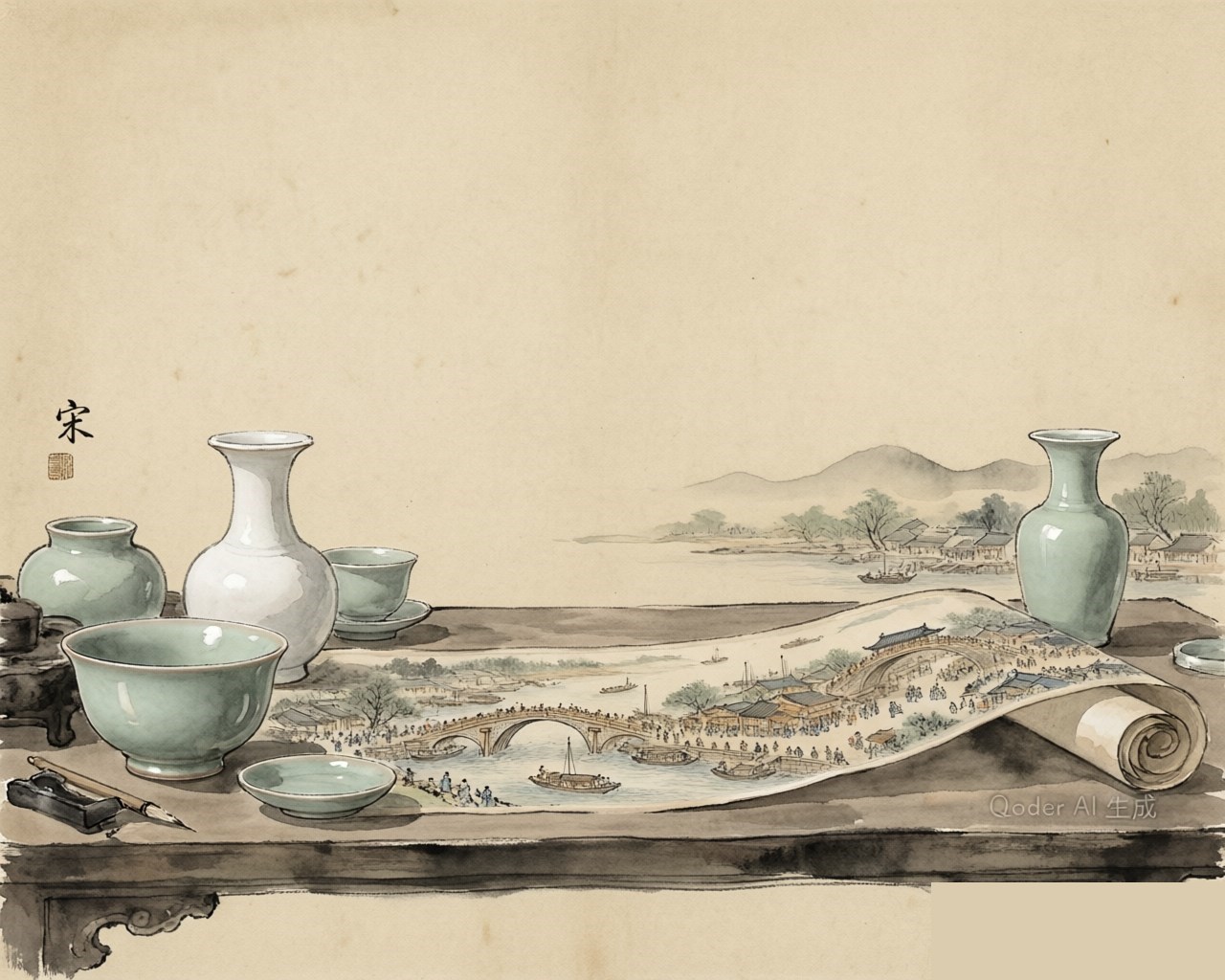
Militarily pressured yet culturally radiant — an age of porcelain, printing, paper money, and the world's first true urban culture.
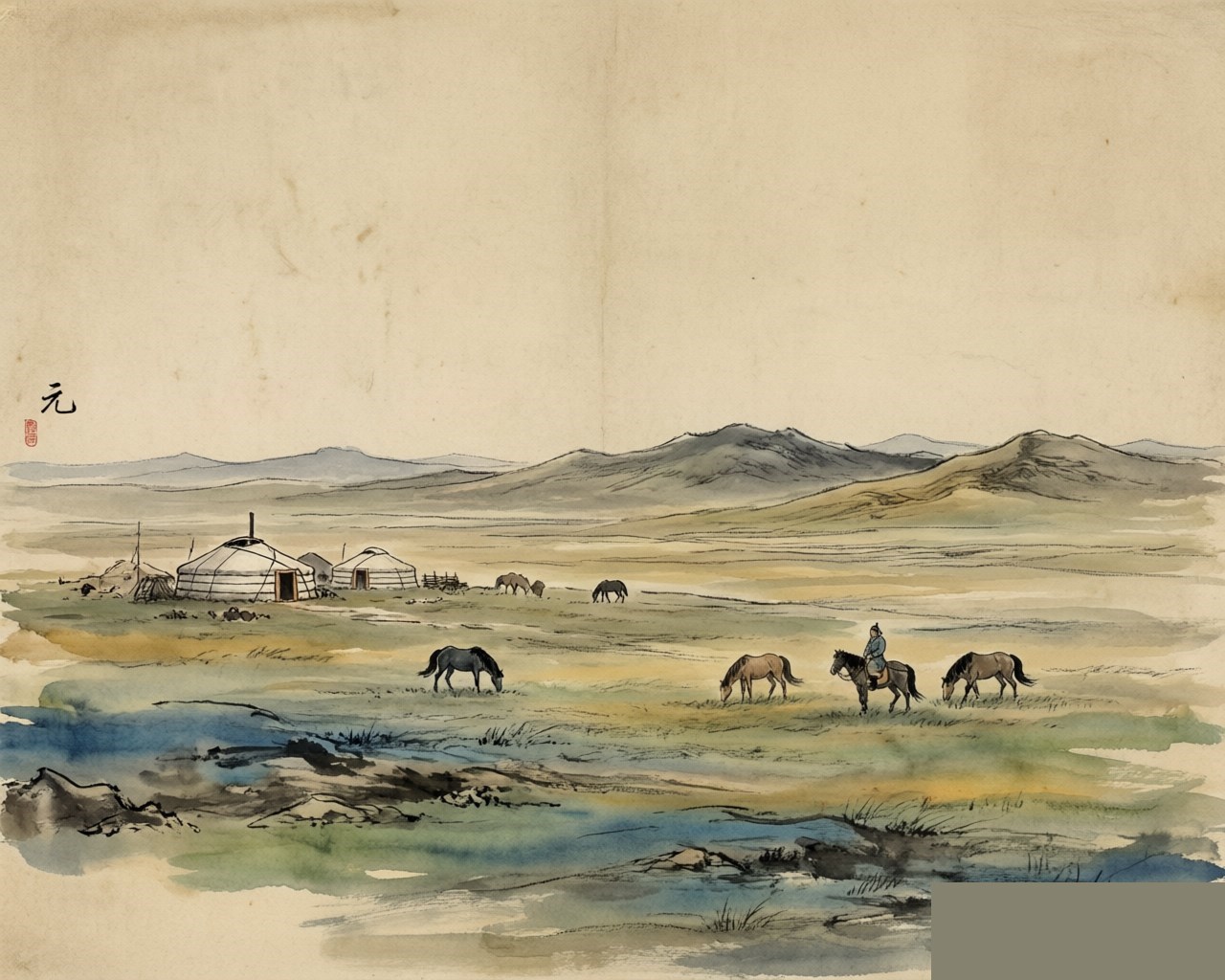 Late Imperial
The Mongol dynasty founded by Kublai Khan, folding China into the largest land empire history has ever seen.
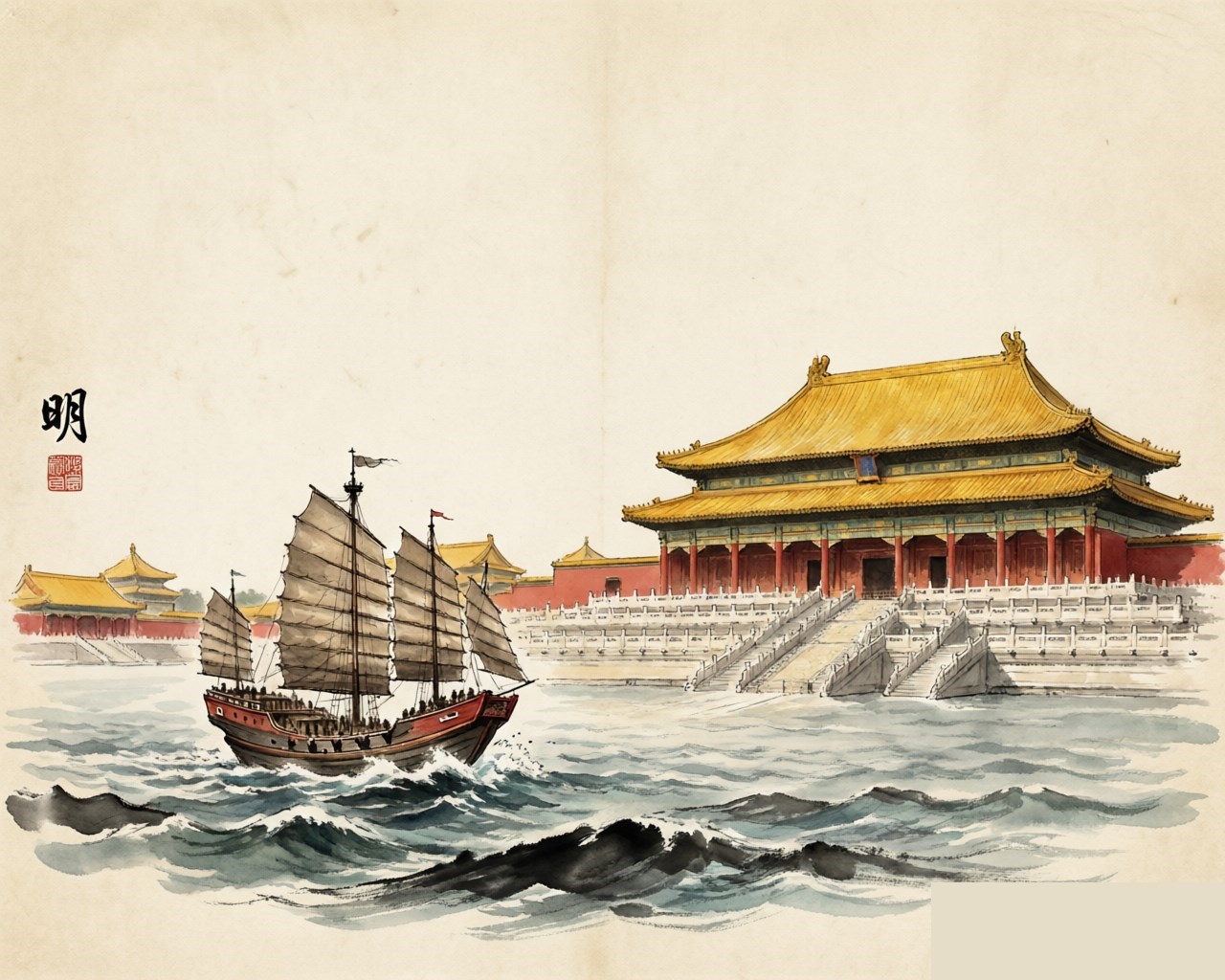 Late Imperial
The dynasty that raised the Forbidden City, sent Zheng He's treasure fleets across the oceans, and rebuilt the Great Wall in stone.
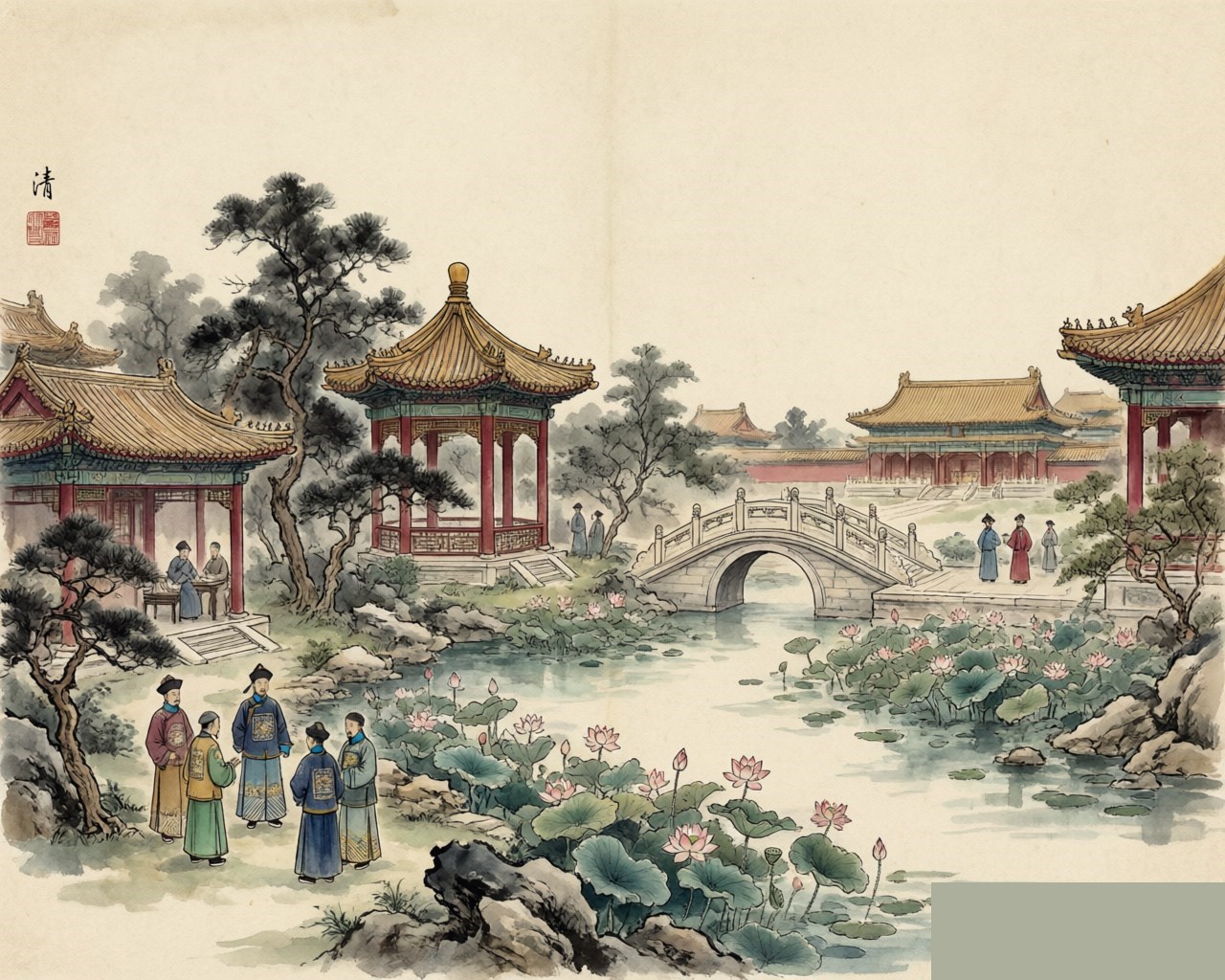 Final Dynasty
China's last imperial dynasty, founded by the Manchus. Its abdication in 1912 closed four thousand years of dynastic rule.
The Complete Timeline
朝代年表The Ancient Dynasties 上古三代
Founder: Yu the Great (大禹) · Capital: Yangcheng (trad.)
The first of the "Three Dynasties," the Xia straddles myth and archaeology. Tradition holds that Yu earned the throne by taming the great floods, passing his own door three times without entering. Long known only from later texts, its existence is now associated with the bronze-age Erlitou culture. Read the full article →
Founder: Tang of Shang (商汤) · Capital: Yin (Anyang)
China's Bronze Age zenith. The Shang cast magnificent ritual bronzes and, above all, left the earliest confirmed Chinese writing — oracle-bone inscriptions used to pose questions to ancestors and gods. Its fall to the Zhou gave birth to the idea of the Mandate of Heaven. Read the full article →
Founder: King Wu of Zhou (周武王) · Capital: Haojing, later Luoyang
The longest-lasting dynasty, divided into the Western and Eastern Zhou. Its feudal order slowly dissolved into the Spring and Autumn and Warring States periods — an age of endless war that nonetheless produced Confucianism, Daoism, and the Hundred Schools of Thought, the foundation of Chinese civilization. Read the full article →
The First Empires 秦汉大一统
Founder: Qin Shi Huang, the First Emperor (秦始皇) · Capital: Xianyang
In just fifteen years the Qin did the work of centuries: ending the Warring States, unifying the script, currency, weights, and roads, and linking frontier walls into the first Great Wall. Its terracotta army still guards the First Emperor's tomb. The very word "China" likely derives from "Qin." Read the full article →
Founder: Emperor Gaozu, Liu Bang (汉高祖刘邦) · Capital: Chang'an, later Luoyang
Spanning the Western and Eastern Han, this golden age consolidated imperial China, made Confucianism the state orthodoxy, invented paper, and opened the Silk Road to Rome. Its prestige endures: China's dominant ethnic group and its written language are both called "Han." Read the full article →
The Age of Division 魏晋南北朝
Rival states: Wei (魏), Shu (蜀), Wu (吴)
When the Han collapsed, three rival kingdoms — Cao Wei, Shu Han, and Eastern Wu — contended for the realm. Though brief, the era of Cao Cao, Zhuge Liang, and the Battle of Red Cliffs became China's most beloved historical romance, immortalized in the novel Romance of the Three Kingdoms. Read the full article →
Founder: Emperor Wu, Sima Yan (晋武帝司马炎) · Capital: Luoyang, later Jiankang
The Sima family briefly reunited China, only for the realm to shatter again — the north fell to non-Han kingdoms while the court fled south, founding the Eastern Jin. An age of instability that nonetheless produced the sage calligrapher Wang Xizhi and a celebrated culture of poetry and philosophical conversation. Read the full article →
Pattern: Successive northern and southern regimes
For nearly two centuries China remained split: nomadic-founded dynasties ruled the north while a succession of Han courts held the south. It was an era of profound cultural fusion and Buddhist devotion, when the great cave temples of Yungang and Longmen were carved from living rock. Read the full article →
The High Imperial Age 隋唐盛世
Founder: Emperor Wen, Yang Jian (隋文帝杨坚) · Capital: Daxing (Chang'an)
Like the Qin, the Sui was short-lived but transformative. It reunified China after centuries of division, began the imperial examination system, and excavated the Grand Canal — linking the Yangtze and Yellow River basins into a single economic whole that would sustain every dynasty to come. Read the full article →
Founder: Emperor Gaozu, Li Yuan (唐高祖李渊) · Capital: Chang'an
Widely regarded as China's golden age. The Tang capital Chang'an was the largest, most cosmopolitan city on earth, welcoming merchants and faiths from across Eurasia. It was the great age of Chinese poetry — Li Bai and Du Fu — and of an open, confident, outward-looking civilization. Read the full article →
Pattern: Five northern dynasties, many southern kingdoms
The Tang collapse reopened an era of fragmentation: five short dynasties succeeded one another in the north while a constellation of kingdoms flourished in the south. Political chaos paired with artistic brilliance, as painters invented the monumental landscape tradition that still defines Chinese art. Read the full article →
Founder: Emperor Taizu, Zhao Kuangyin (宋太祖赵匡胤) · Capital: Kaifeng, later Lin'an (Hangzhou)
Divided into the Northern and Southern Song, the dynasty was perpetually pressed by northern powers yet presided over an economic and cultural revolution: movable-type printing, paper money, gunpowder, the magnetic compass, exquisite celadon porcelain, and the world's first genuinely urban commercial culture. Read the full article →
The Late Imperial Era 元明
Founder: Kublai Khan (忽必烈) · Capital: Dadu (Beijing)
Founded by the Mongols after Genghis Khan's conquests, the Yuan made China part of the largest contiguous land empire in history. Kublai Khan built a new capital at today's Beijing, and the era's openness drew travelers like Marco Polo to a China of astonishing wealth and scale. Read the full article →
Founder: Hongwu Emperor, Zhu Yuanzhang (明太祖朱元璋) · Capital: Nanjing, later Beijing
A restoration of Han Chinese rule that shaped the China most visitors recognize today. The Ming built the Forbidden City and the stone Great Wall, dispatched Admiral Zheng He's vast treasure fleets across the Indian Ocean, and presided over a flourishing of blue-and-white porcelain and vernacular literature. Read the full article →
The Final Dynasty 清
Founder: The Manchu Aisin Gioro clan; Shunzhi Emperor (顺治帝) · Capital: Beijing
China's last dynasty, founded by the Manchus from the northeast. Under emperors like Kangxi and Qianlong it reached its greatest territorial extent and a final cultural flowering. Weakened by internal revolt and foreign pressure in the nineteenth century, it abdicated in 1912 — ending nearly four millennia of dynastic rule. Read the full article →