Culture (wen hua, 文化) is the broadest word in any language — it holds everything a people makes, believes, and passes down. Chinese culture is among the oldest continuous traditions on earth, stretching from Neolithic cave paintings to the novels read on today's high-speed trains. In this section, we gather five of its deepest currents: the myths that explain the world, the peoples who inhabit it, the literature that gives it meaning, the instruments that give it song, and the operas that set it all upon the stage.
Five Streams of Culture
文化五脉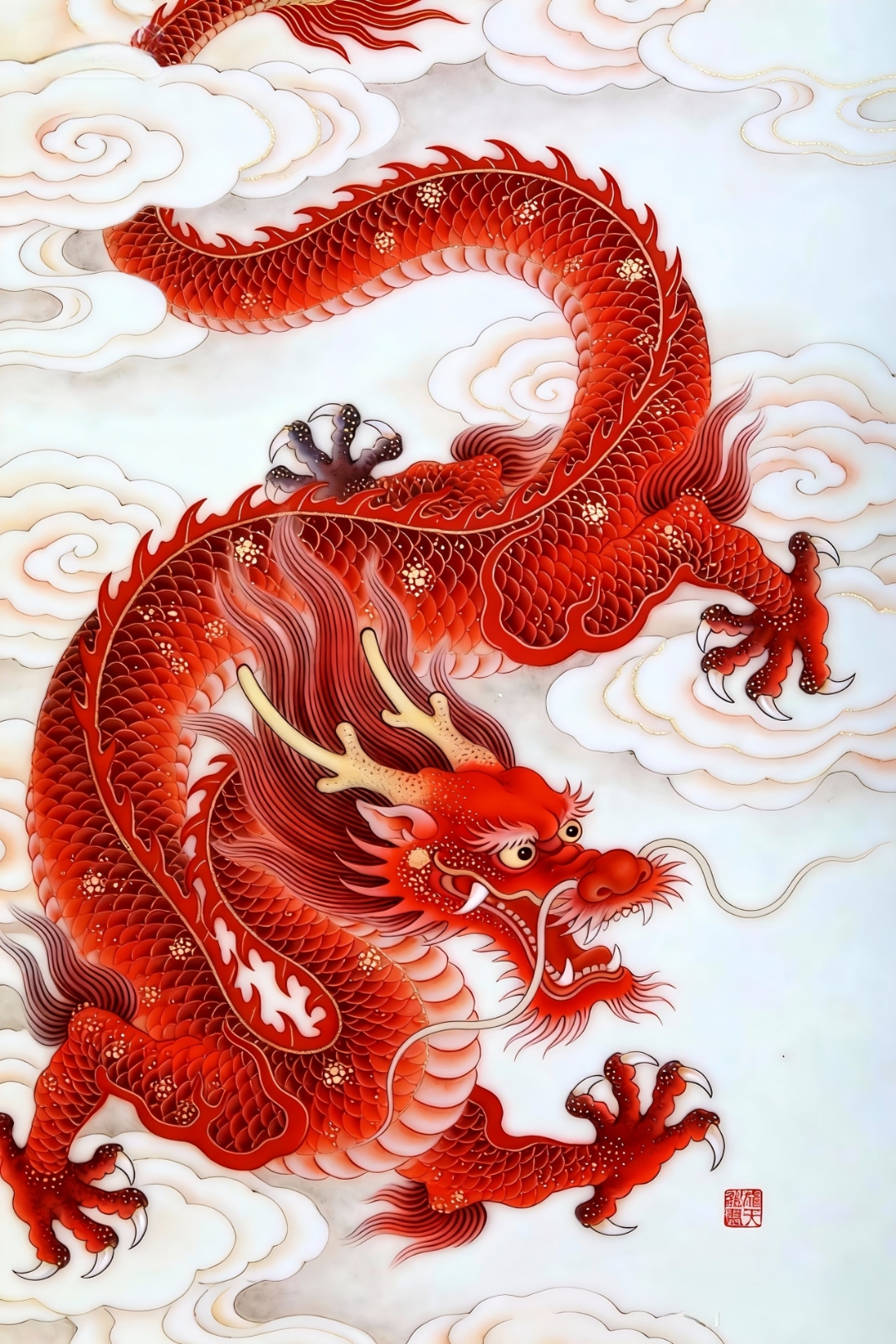 Myths & Legends
Pangu splitting heaven and earth, Nüwa mending the sky, the Monkey King raging against the gods — the stories that gave China its cosmology and its imagination.
 Living Traditions
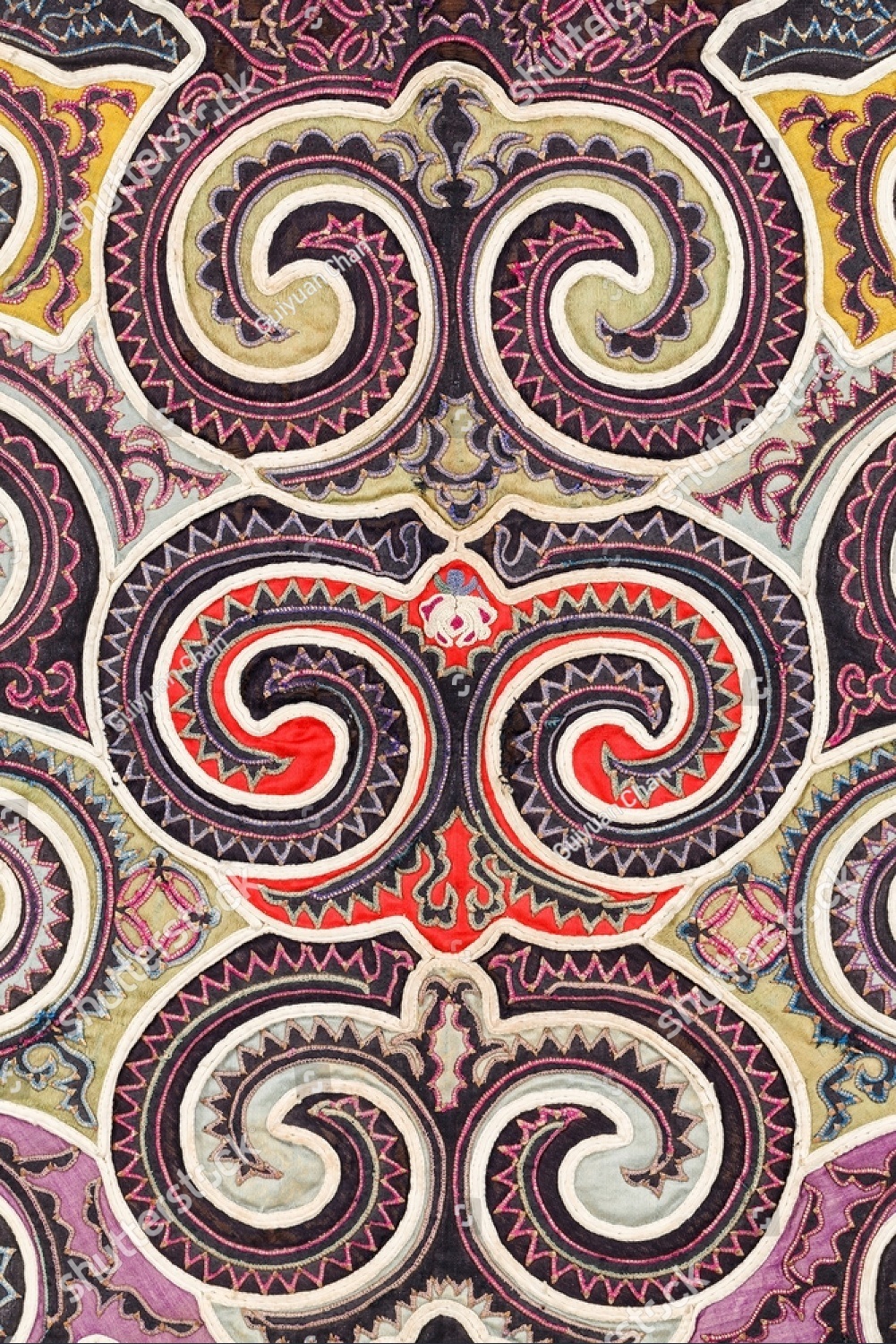
From the silver-crowned Miao to the horse-riding Mongols, from Tibetan plateau to tropical Dai valleys — the living diversity of China's fifty-six recognized peoples.
 Classical Literature
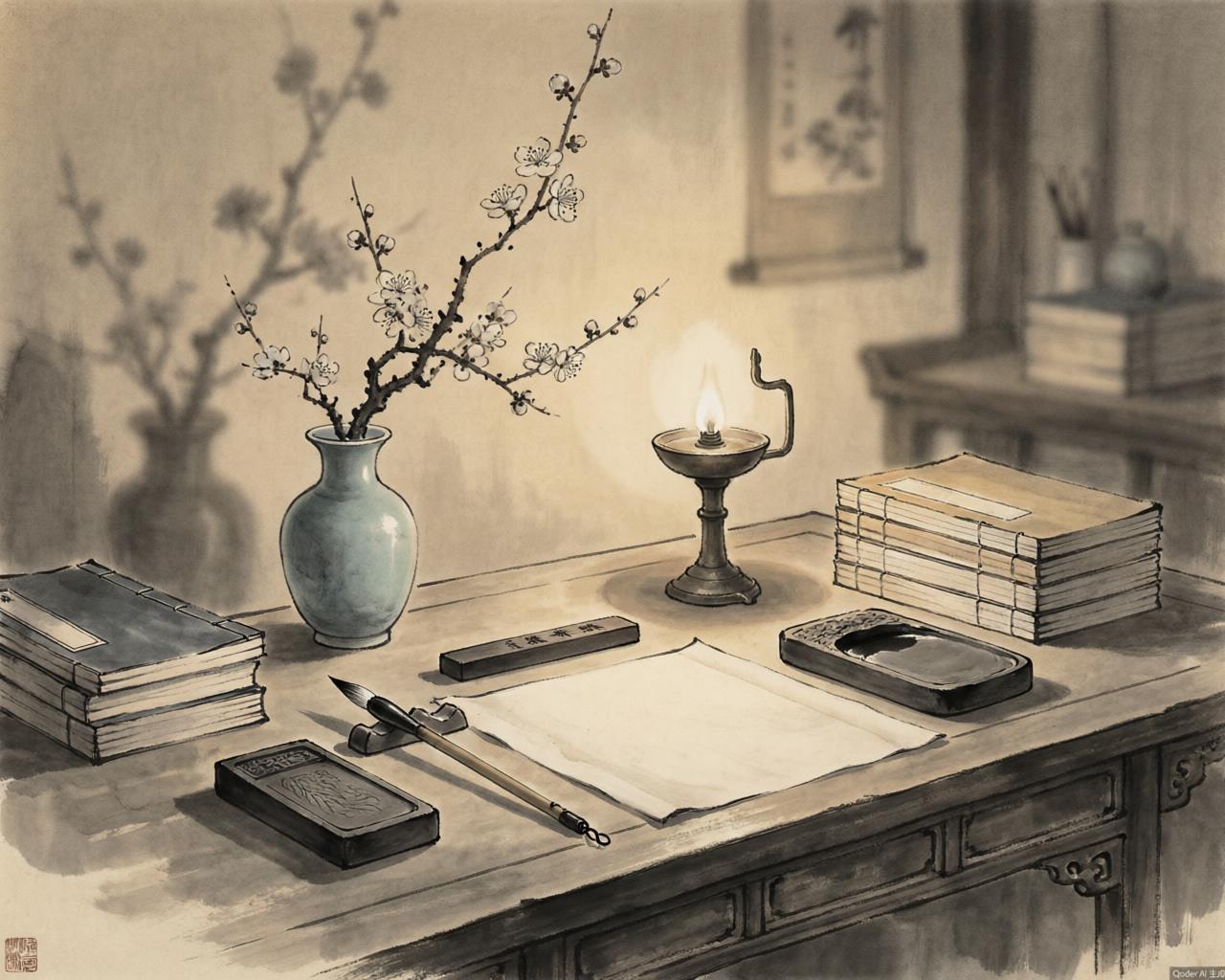
The Four Great Classical Novels and beyond — from the ancient songs of the Book of Songs to the dreamlike mansions of Cao Xueqin, the literature that defined a civilization's inner life.
 Traditional Music
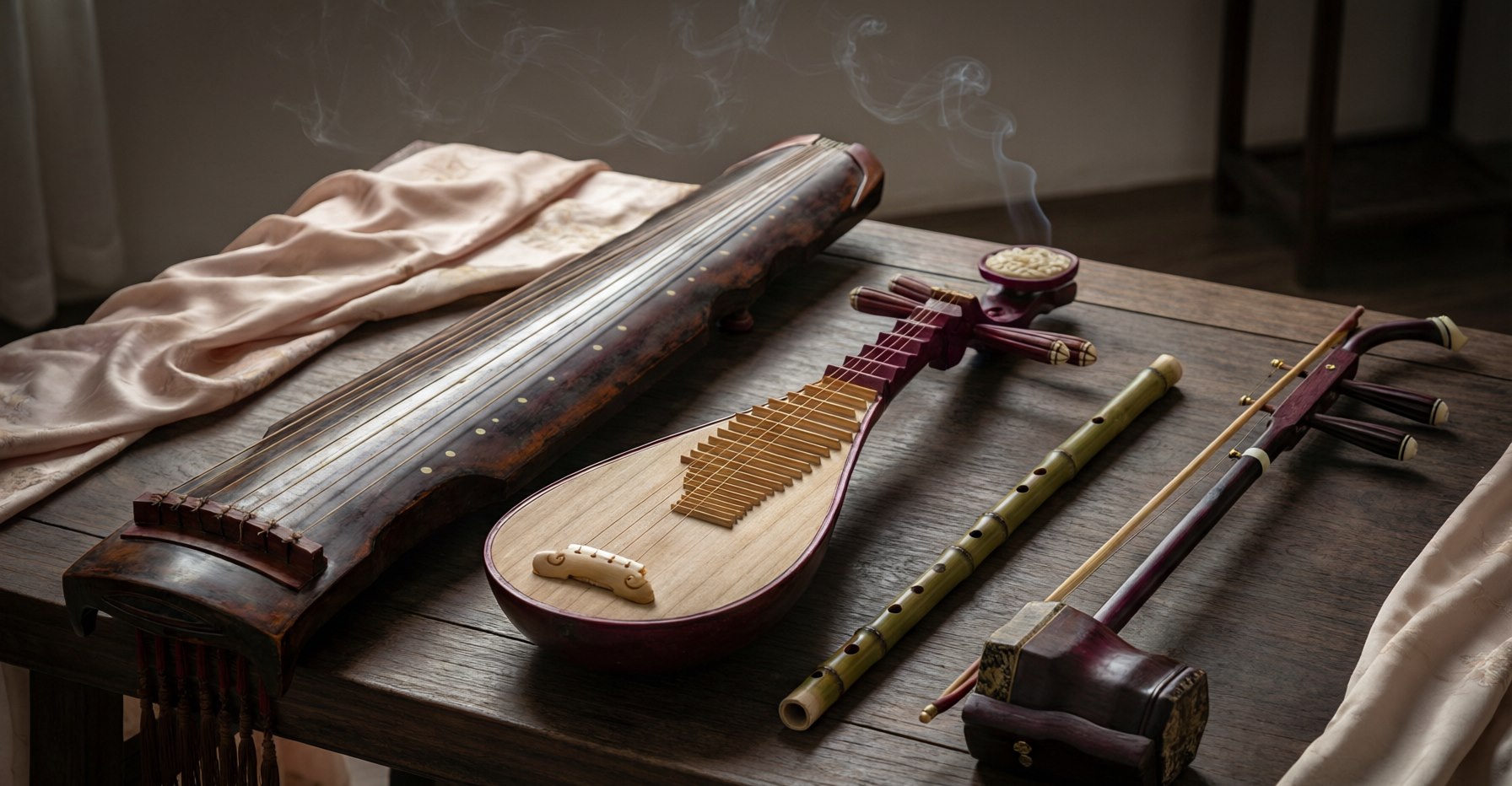
The guqin of the sages, the cascading guzheng, the singing dizi and the weeping erhu — ten traditional instruments and the three-thousand-year philosophy of sound behind them.
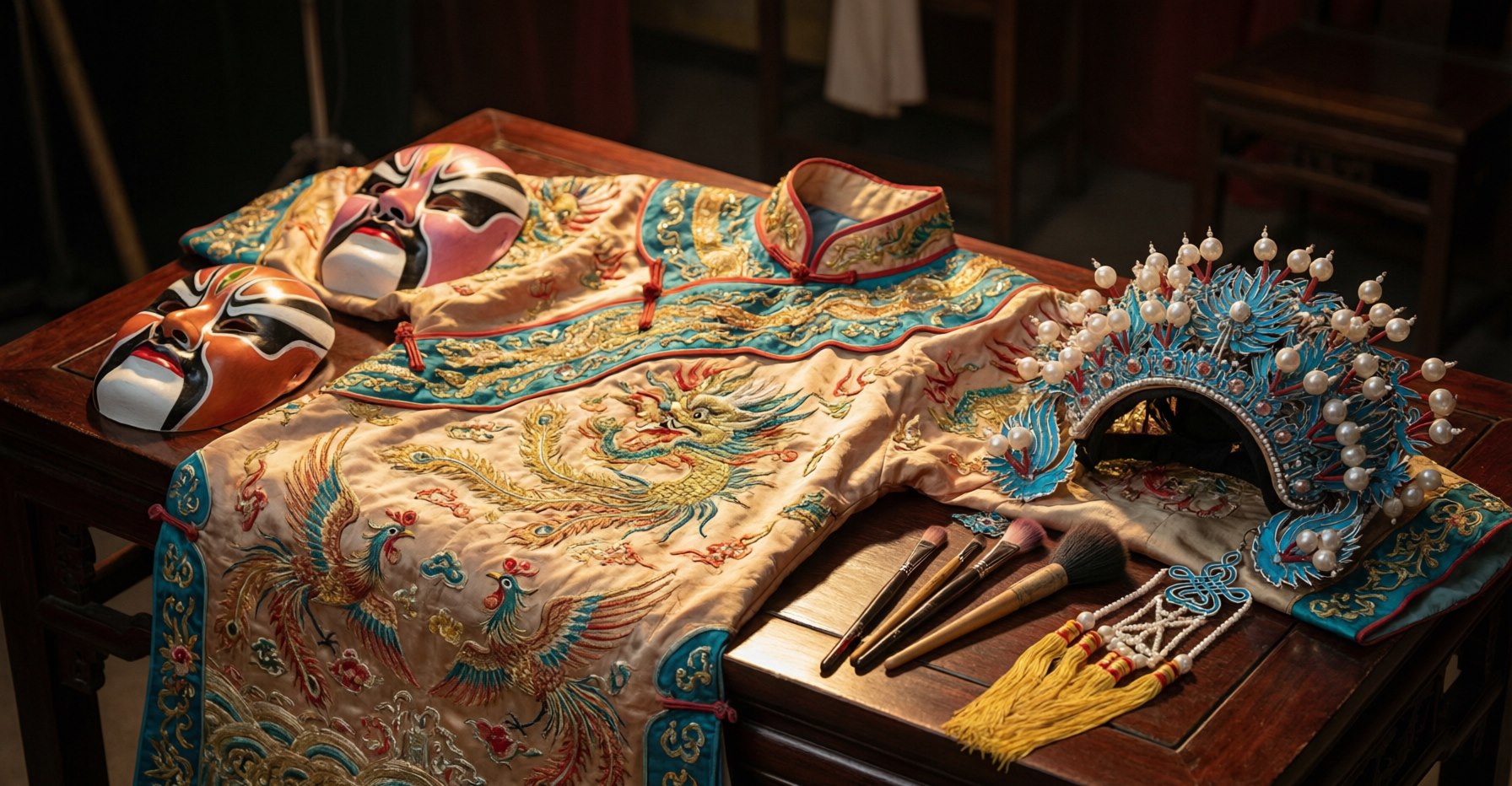 Regional Opera
From the painted faces of Peking Opera to the water-sleeves of Kunqu and the fire of Sichuan face-changing — eight great traditions of song, dance, and spectacle.
Why These Five?
何以文化Mythology is where every civilization begins. Before there were historians, there were storytellers who explained why the sky stayed up, why rivers flowed east, and why human beings must work and suffer and love. China's myths are among the oldest still told on earth — Pangu, Nüwa, the Archer Yi — and they still shape festivals, temple fairs, and the language itself.
The ethnic peoples are the living proof that "Chinese" has never meant one thing. Fifty-six recognized groups, hundreds of languages and dialects, dozens of scripts and religions — from the Buddhist monasteries of Tibet to the Islamic mosques of the Hui, from the animist forests of the Daur to the Confucian ancestral halls of the Han. To understand China, you must meet its peoples.
Literature is where a civilization talks to itself across time. The Chinese literary tradition — unbroken from the Book of Songs (c. 1000 BCE) to the present — is the longest continuous literary tradition on earth. Its masterworks, especially the Four Great Classical Novels, remain as widely read, adapted, and argued over today as they were centuries ago.
Music is the most intimate of the five. The Chinese classified sound itself into eight materials — metal, stone, silk, bamboo, gourd, clay, leather, and wood — and made of it a moral art. The guqin was the companion of the sage and the scholar; its music was thought to harmonize the heart with heaven and earth. To hear a single note of the erhu is to understand why the Chinese call music the language the heart cannot hide.
And opera is where all the arts meet the stage. Chinese opera (xiqu, 戏曲) fuses song, speech, dance, acrobatics, and martial arts into a single dazzling form, and it splintered into more than three hundred regional traditions — from the national spectacle of Peking Opera to the six-hundred-year-old elegance of Kunqu. No account of Chinese culture is complete without the crash of the gongs and the flash of a painted face.