Chinese literature (wen xue, 文学) is traditionally divided into poetry (shi 诗 and ci 词), prose (wen 文), and fiction (xiaoshuo 小说). For centuries, poetry and historical prose were considered the highest forms; the novel was a late arrival, long dismissed as popular entertainment. Yet it was the novel — above all, the four masterworks known as the Four Great Classical Novels (四大名著, sida mingzhu) — that gave Chinese literature its widest global reach. Below, we trace the tradition from its oldest roots to its grandest flowering.
The Masterworks
名著一览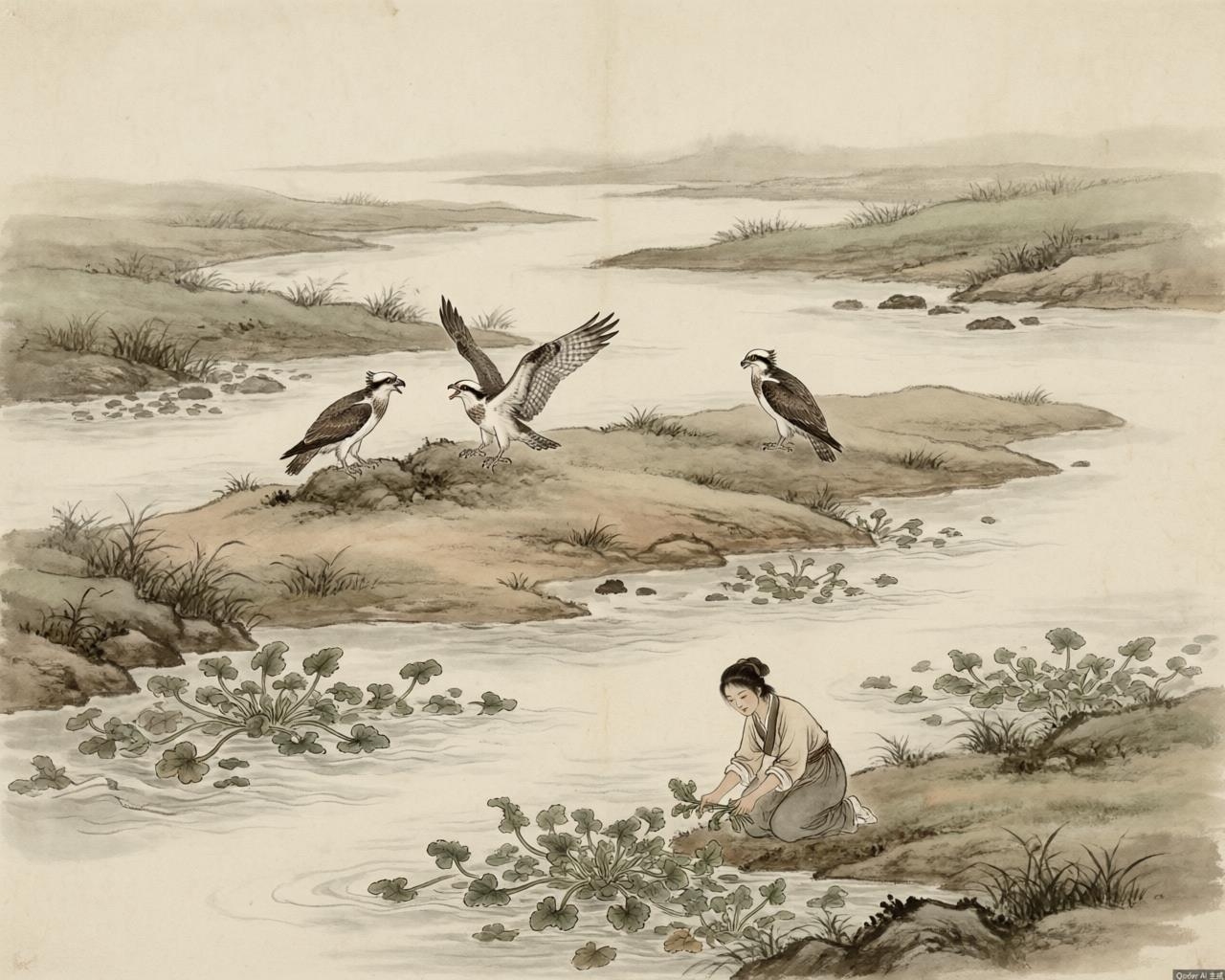 Zhou Dynasty
China's oldest poetry anthology — 305 songs of love, labor, and complaint that Confucius himself is said to have edited.
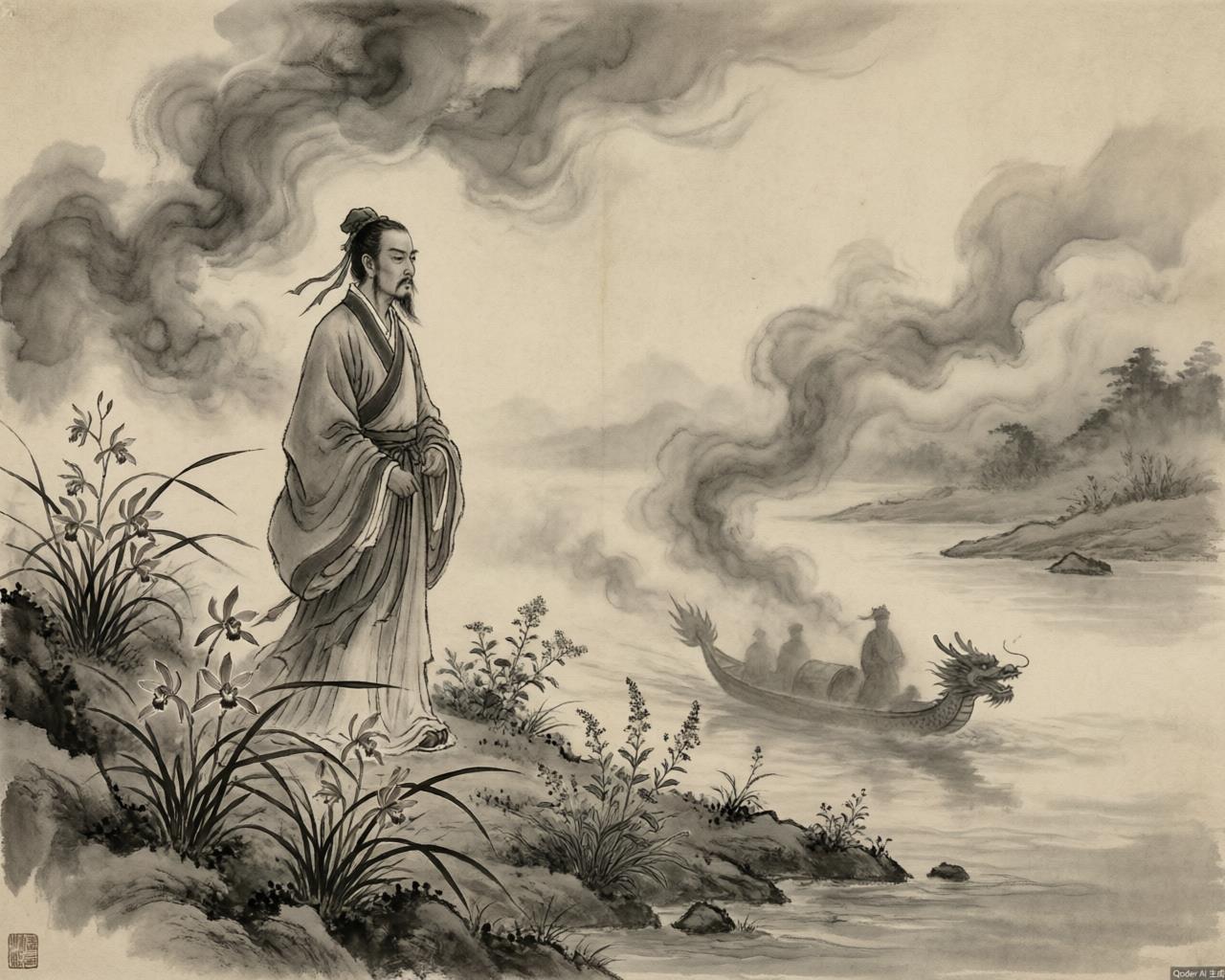 Warring States
The visionary, shamanic poetry of Qu Yuan — China's first named poet, who drowned himself in protest and became eternal.
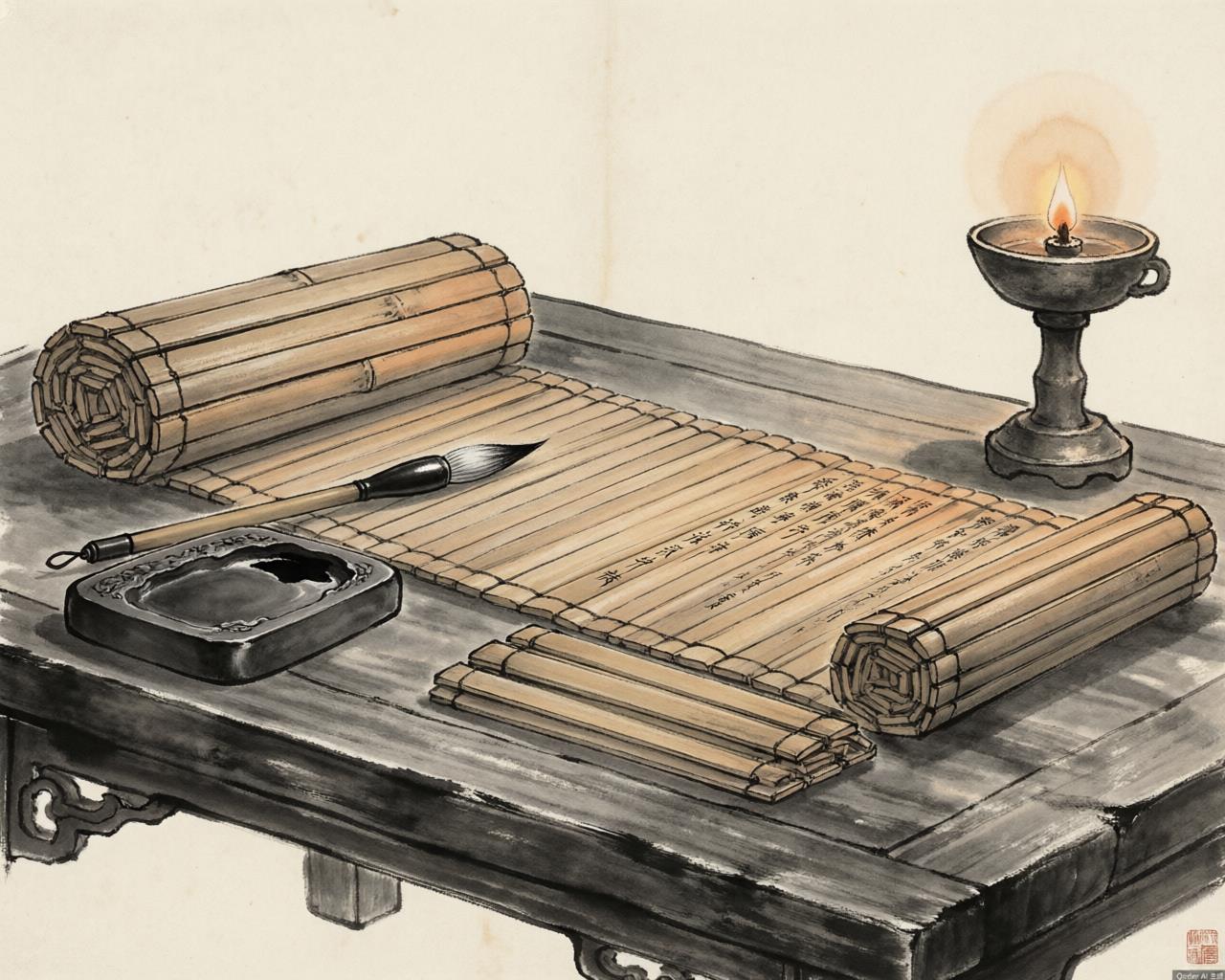 Han Dynasty
Sima Qian's monumental history — the model for all Chinese historiography, written at the cost of his own bodily integrity.
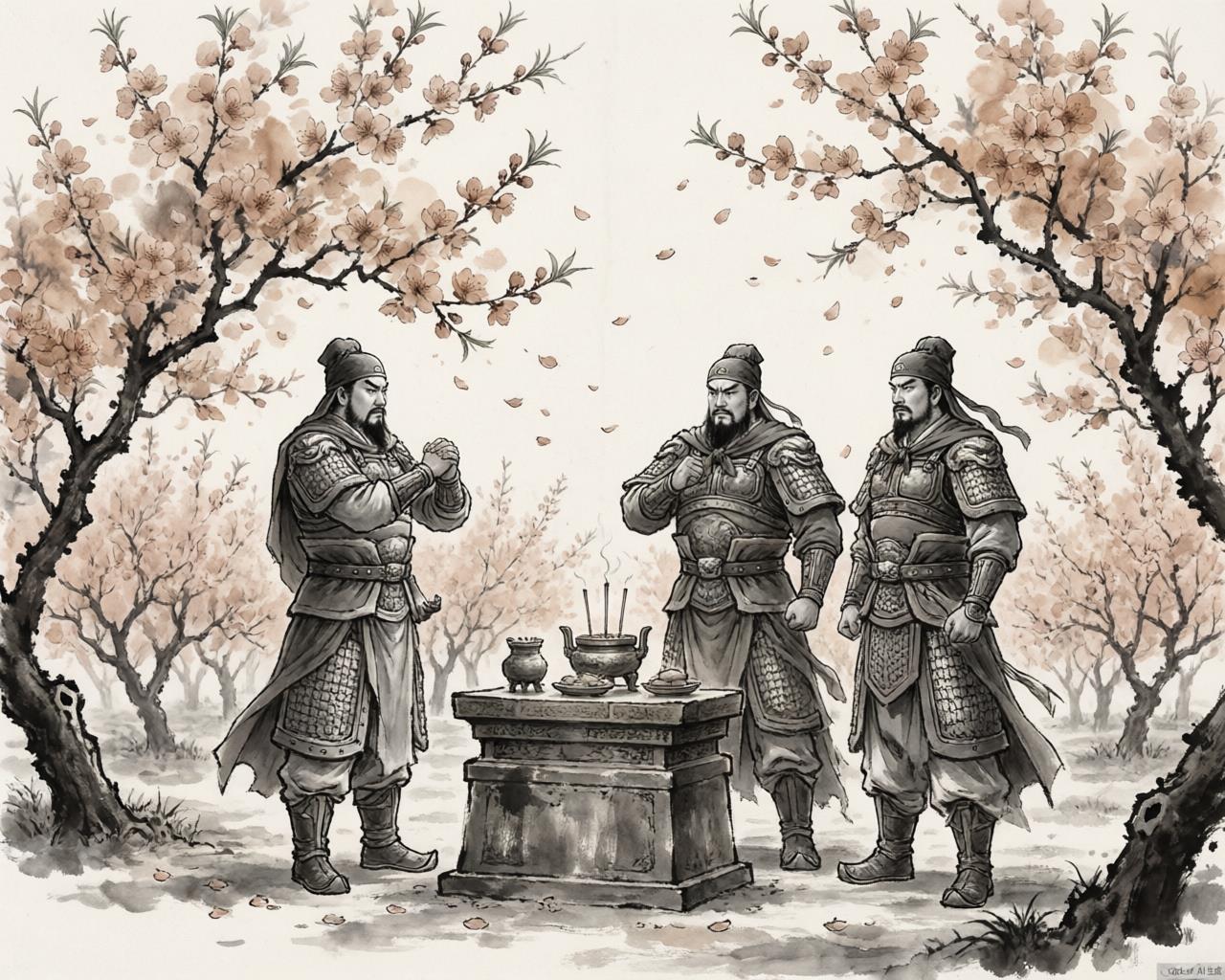 Ming Dynasty
The first of the Four Great Novels — an epic of strategy, loyalty, and ambition set in China's most romanticized age of division.
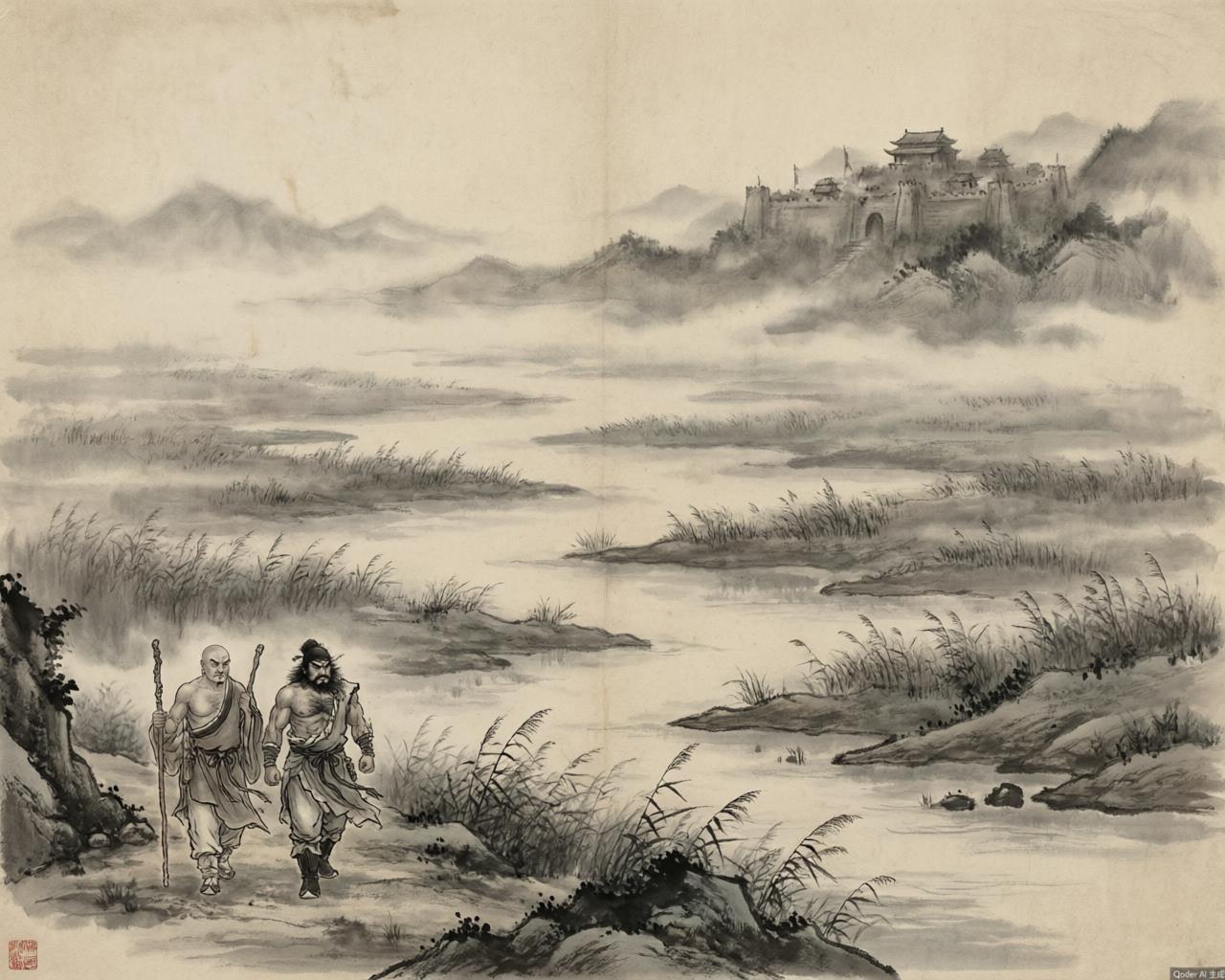 Ming Dynasty
108 outlaws, one mountain stronghold, and a question that still burns: when the government is corrupt, is banditry justice?
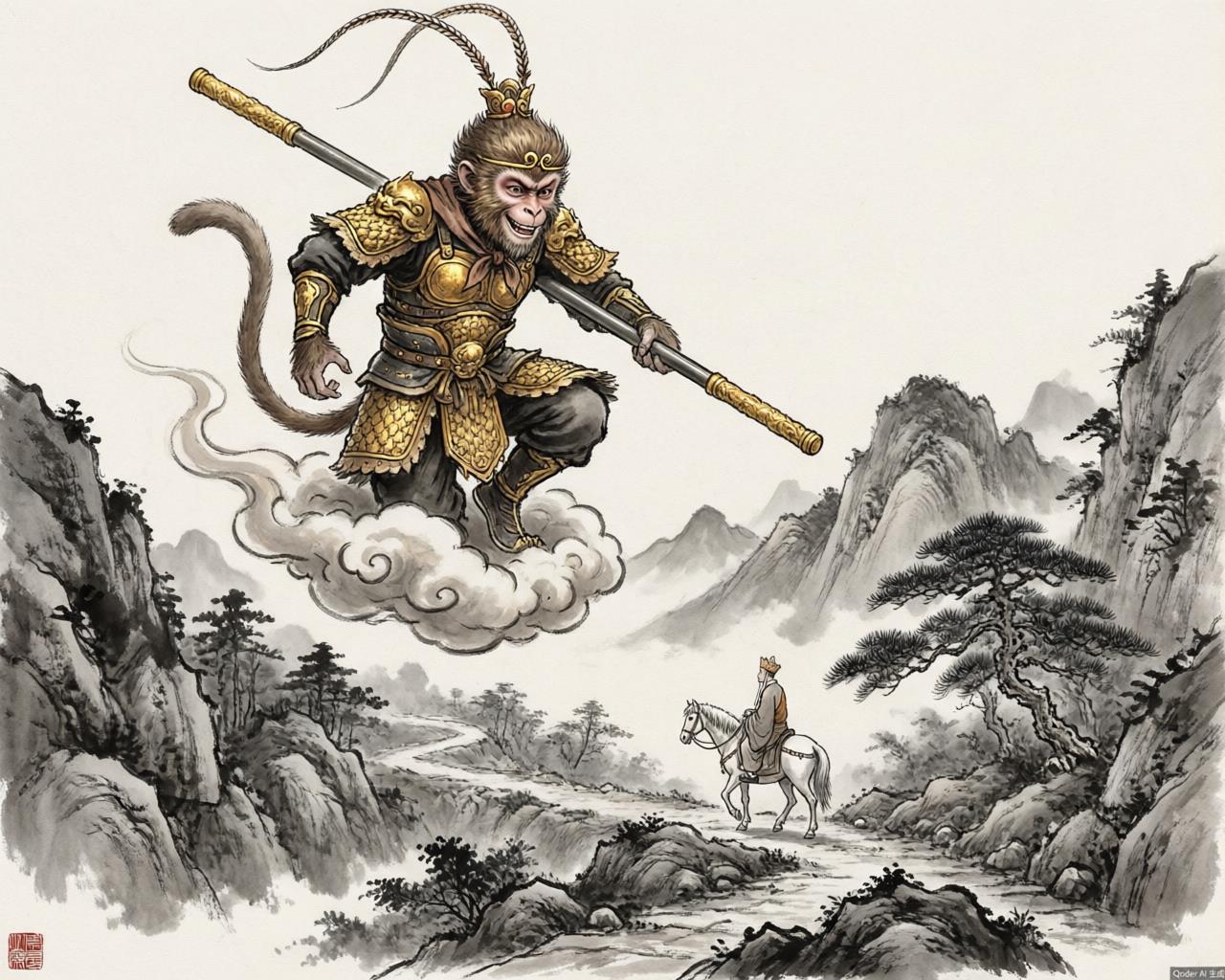 Ming Dynasty
A monk, a monkey, a pig, and a sand monk walk west to India. The result is China's most beloved fantasy — and its deepest allegory.
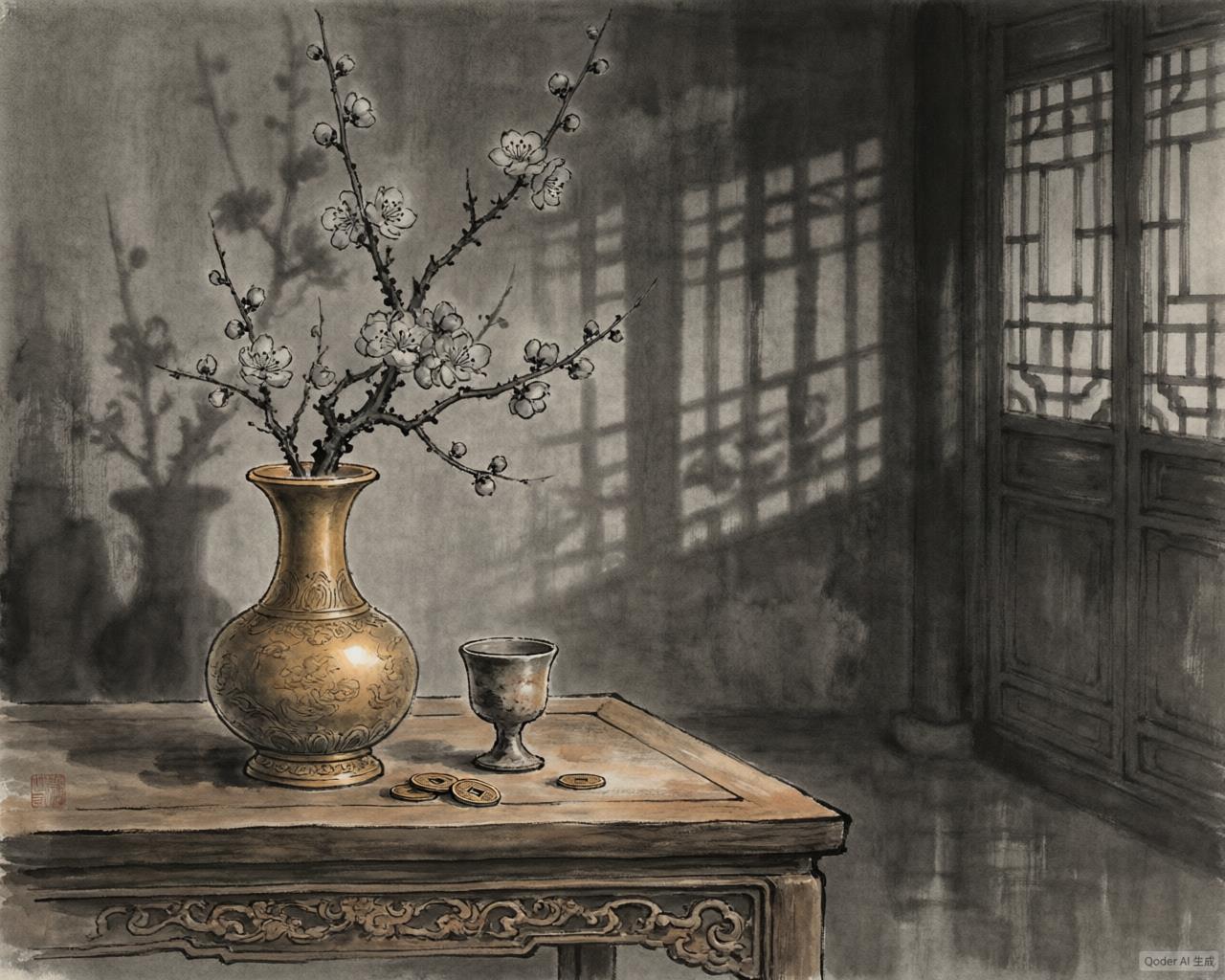 Ming Dynasty
The first great novel of domestic realism — a corrosive portrait of a merchant's household, and the book that made the novel respectable.
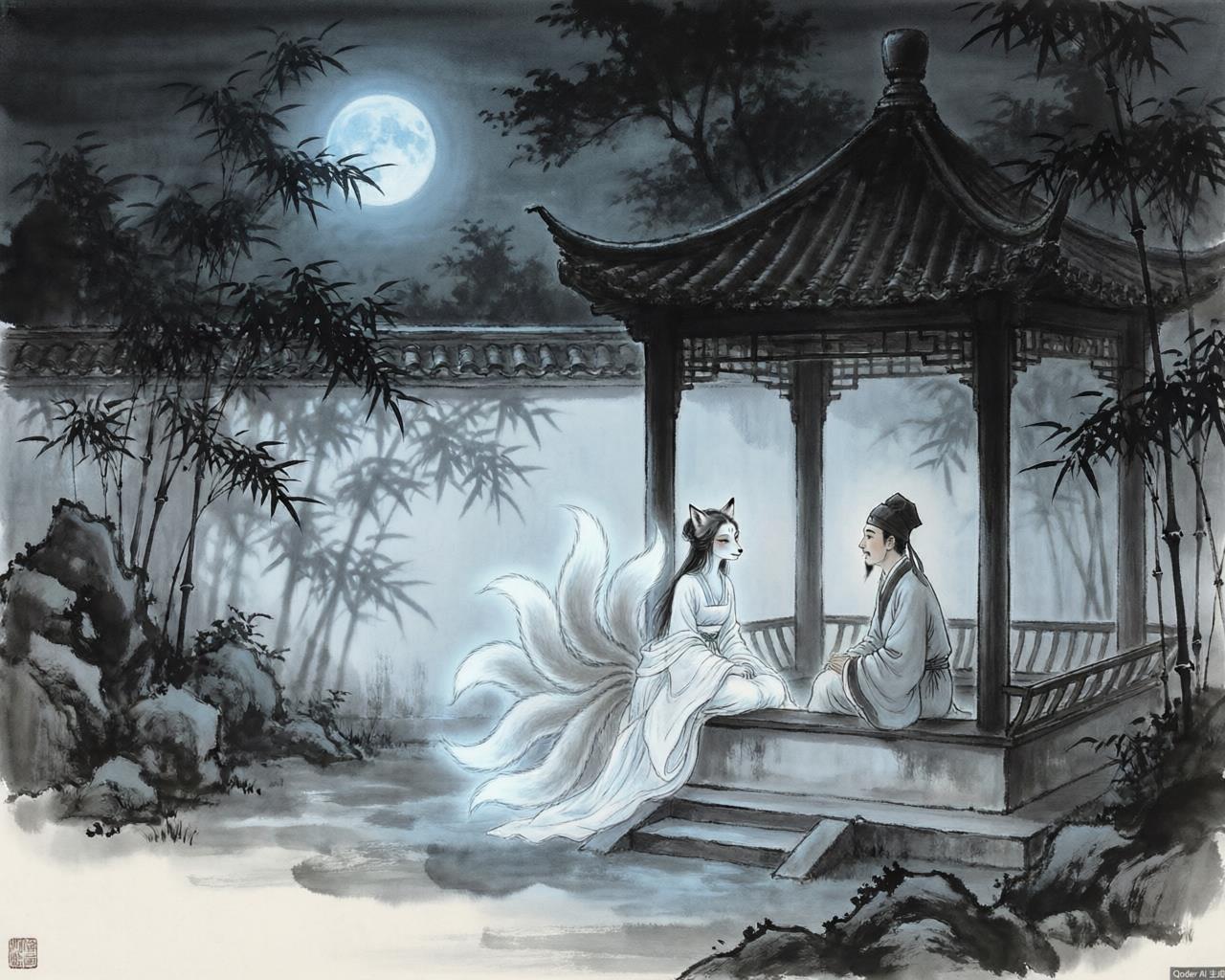 Qing Dynasty
Nearly five hundred tales of fox spirits, ghosts, and strange encounters — the supreme masterpiece of Chinese supernatural fiction.
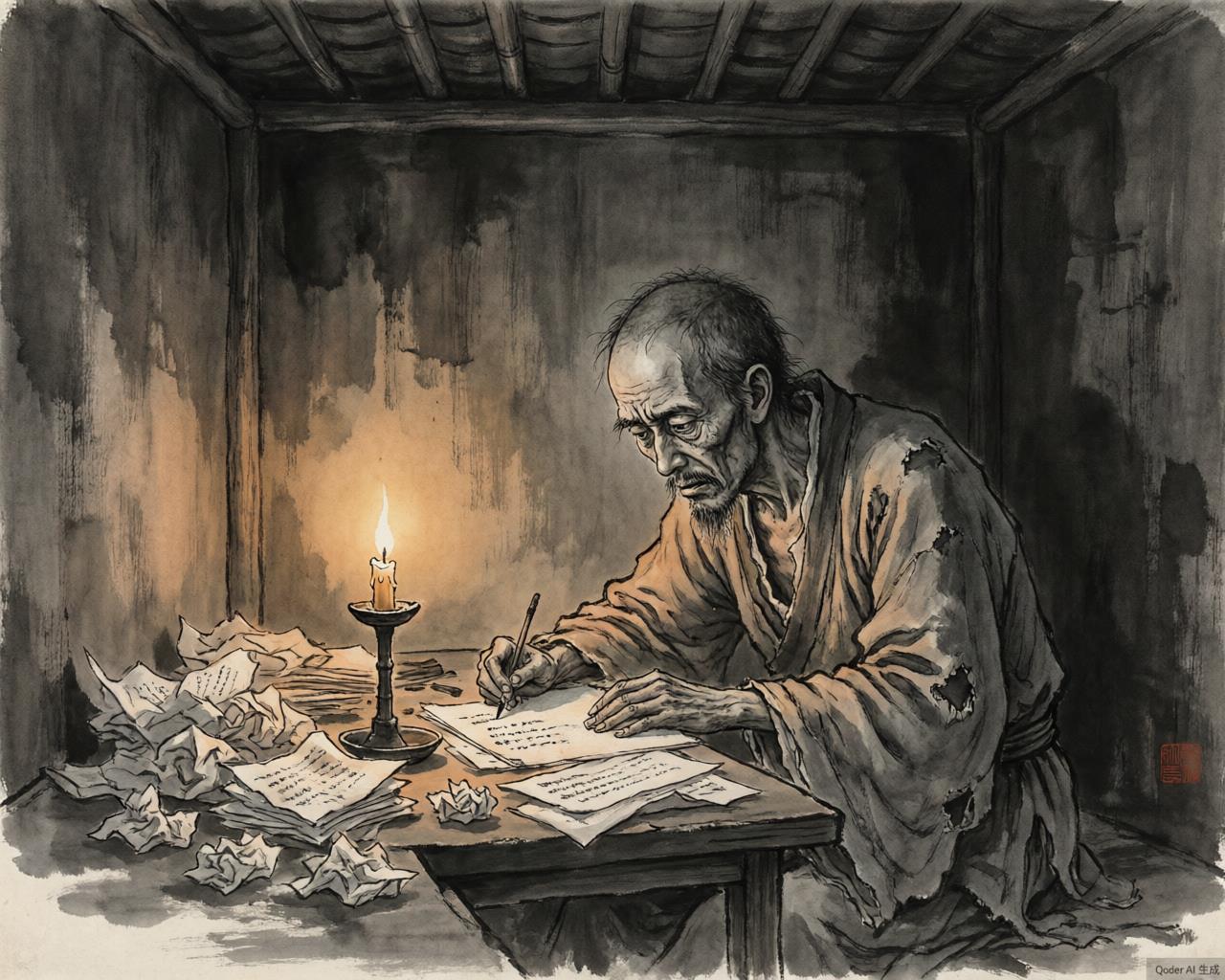 Qing Dynasty
China's first great satirical novel — a devastating comedy about the examination system and the men it grinds to powder.
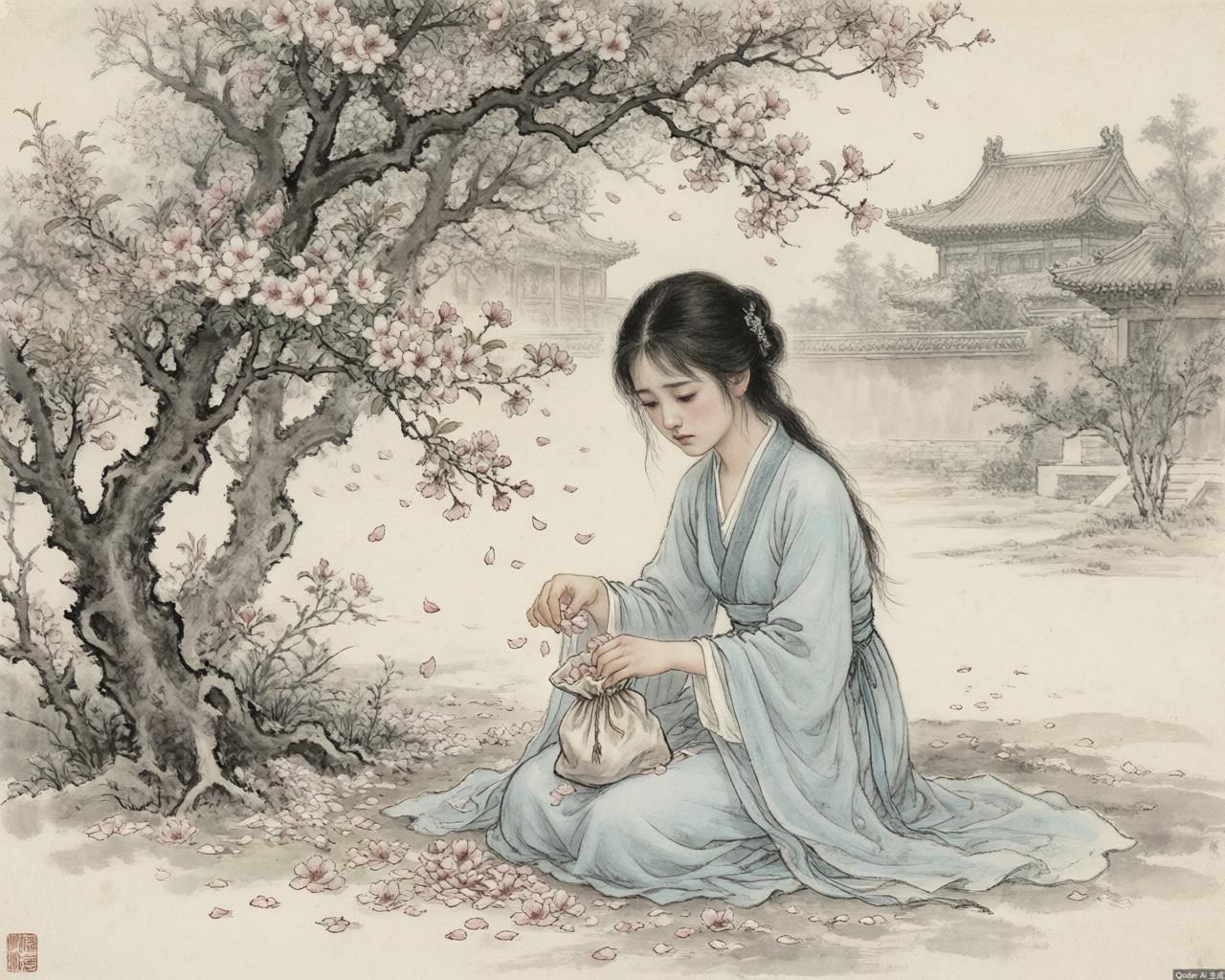 Qing Dynasty
The summit of Chinese fiction — a vast, elegiac novel of a great family's decline, and the most studied book in Chinese literature.
The Literary Timeline
文学年表The Age of Poetry 诗骚传统
Form: 305 lyric poems · Tradition: Confucian classic
The foundation of Chinese poetry. Collected from folk songs, court hymns, and ritual odes across five centuries, these poems established the themes — love, labor, political complaint — that Chinese poets would return to for three thousand years. Read the full article →
Key poet: Qu Yuan (屈原) · Tradition: Southern shamanic lyric
Where the Book of Songs was northern, restrained, and communal, the Songs of Chu were southern, ecstatic, and personal. Qu Yuan's "Li Sao" (Encountering Sorrow) is China's first great individual poem — a shamanic journey through myth written in exile and despair. Read the full article →
The Birth of Prose 史传文学
Author: Sima Qian (司马迁) · Scope: 130 chapters, 2,500 years
The first comprehensive history of China, and a literary masterpiece in its own right. Sima Qian's biographies read like novels — vivid, psychological, morally charged. Every Chinese historian after him followed his format. Read the full article →
The Four Great Novels 四大名著
Author: Luo Guanzhong (罗贯中) · Genre: Historical epic
China's first full-length novel, dramatizing the collapse of the Han and the war among three rival kingdoms. Its characters — the cunning Cao Cao, the loyal Guan Yu, the brilliant Zhuge Liang — are cultural archetypes known to every Chinese person. Read the full article →
Author: Shi Nai'an (施耐庵) · Genre: Heroic outlaw saga
The story of 108 outlaws who gather at Liangshan Marsh to resist a corrupt government. Part Robin Hood legend, part martial arts epic, it raised the question of righteous rebellion that has haunted Chinese politics ever since. Read the full article →
Author: Wu Cheng'en (吴承恩) · Genre: Mythological fantasy
The Monkey King Sun Wukong escorts the monk Xuanzang on a pilgrimage to India, battling 81 tribulations along the way. At once a Buddhist allegory, a Daoist satire, and a ripping adventure — China's most adapted story. Read the full article →
Author: Cao Xueqin (曹雪芹) · Genre: Family saga / tragedy
The pinnacle of Chinese fiction. Set in a declining aristocratic household, it follows the young heir Jia Baoyu and his tragic love for the brilliant, sickly Lin Daiyu. An entire academic field — "Redology" — exists to study it. Read the full article →
Realism & the Strange 世情与志怪
Author: Lanling Xiaoxiao Sheng (兰陵笑笑生) · Genre: Domestic realism
The first Chinese novel to focus on ordinary domestic life rather than heroes or gods. Its unflinching portrait of the corrupt merchant Ximen Qing and his household shocked and fascinated readers for four centuries. Read the full article →
Author: Pu Songling (蒲松龄) · Genre: Supernatural short fiction
Nearly 500 tales of fox spirits who fall in love with scholars, ghosts who seek justice, and strange encounters that reveal human nature more truly than any realism could. The supreme work of Chinese supernatural fiction. Read the full article →
Author: Wu Jingzi (吴敬梓) · Genre: Satirical novel
A linked series of satirical portraits exposing the absurdity and cruelty of the imperial examination system. China's first great comedy of manners, and the novel that most directly influenced modern Chinese fiction. Read the full article →