Chinese opera (xiqu, 戏曲, literally "song-drama") is not one art but a family of more than three hundred regional genres, each sung in its own dialect and tuned to its own local music. What unites them is a shared grammar: a stage that is bare until the performers fill it with gesture, a story told through the synthesis of singing (chang 唱), recitation (nian 念), acting (zuo 做), and acrobatic combat (da 打), and a cast organized into four great role types — the male sheng (生), the female dan (旦), the painted-face jing (净), and the clown chou (丑). From the refined flute-led melodies of six-hundred-year-old Kunqu to the clapper-driven thunder of the northern plains, these are the traditions that have carried China's stories, its morals, and its music from village temple fair to national stage.
The Great Traditions
百戏之祖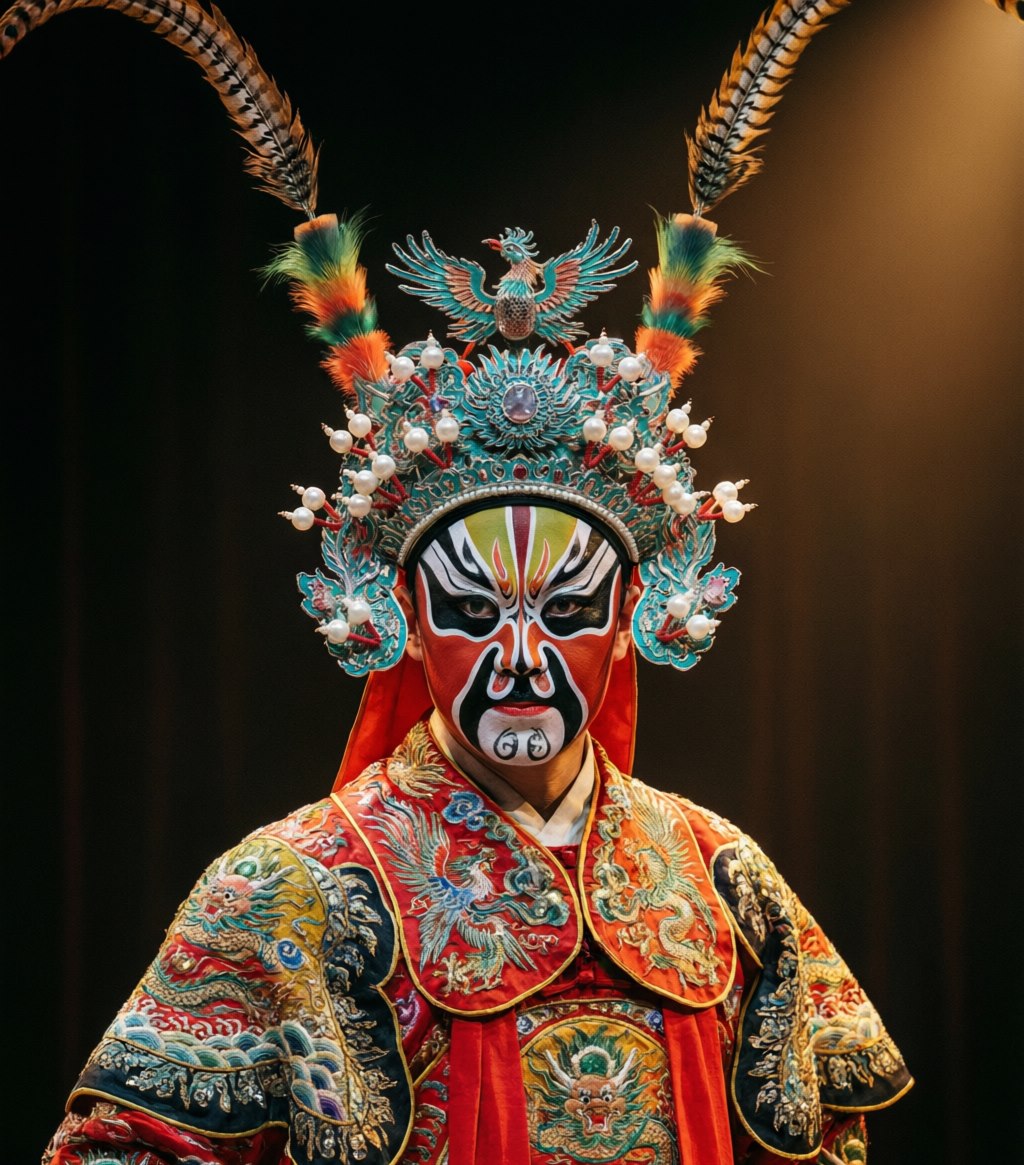 National · Beijing
Spectacle, painted faces, and acrobatic brilliance — China's most famous opera.
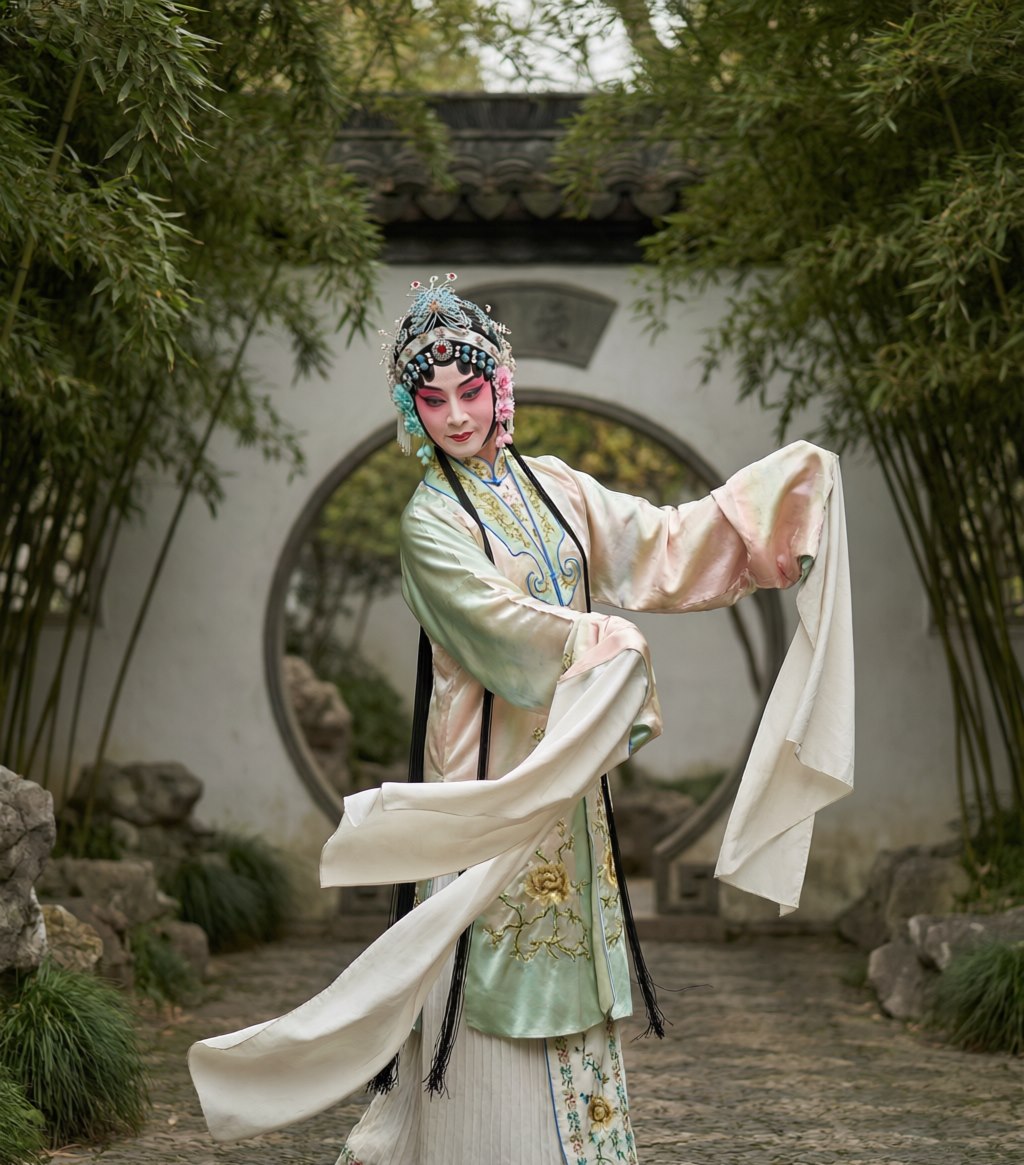 Jiangsu · 600 yrs
The oldest and most refined tradition — elegant, literary, and flute-led.
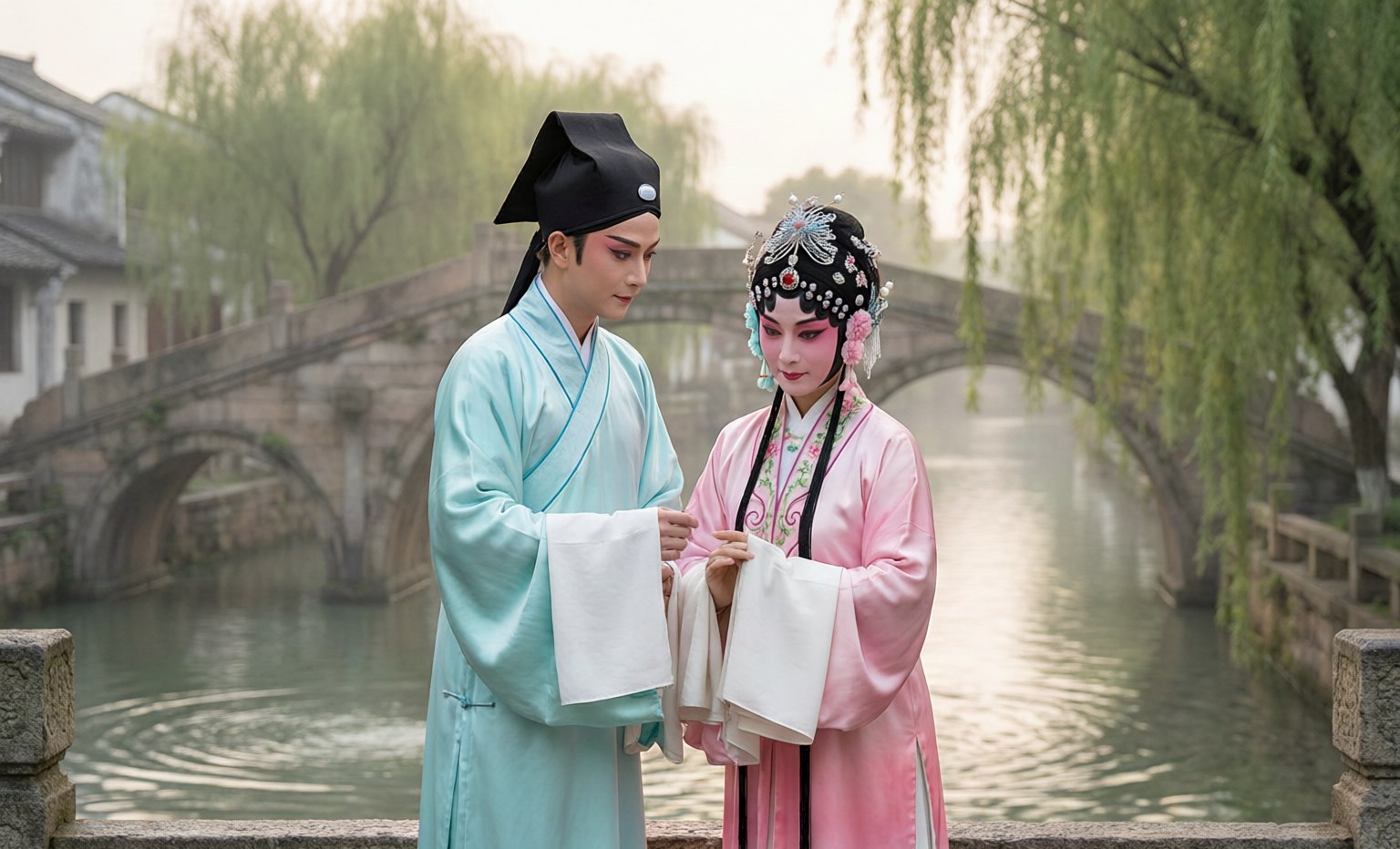 Zhejiang
Soft, tuneful, and beloved — the romance of the Jiangnan water towns.
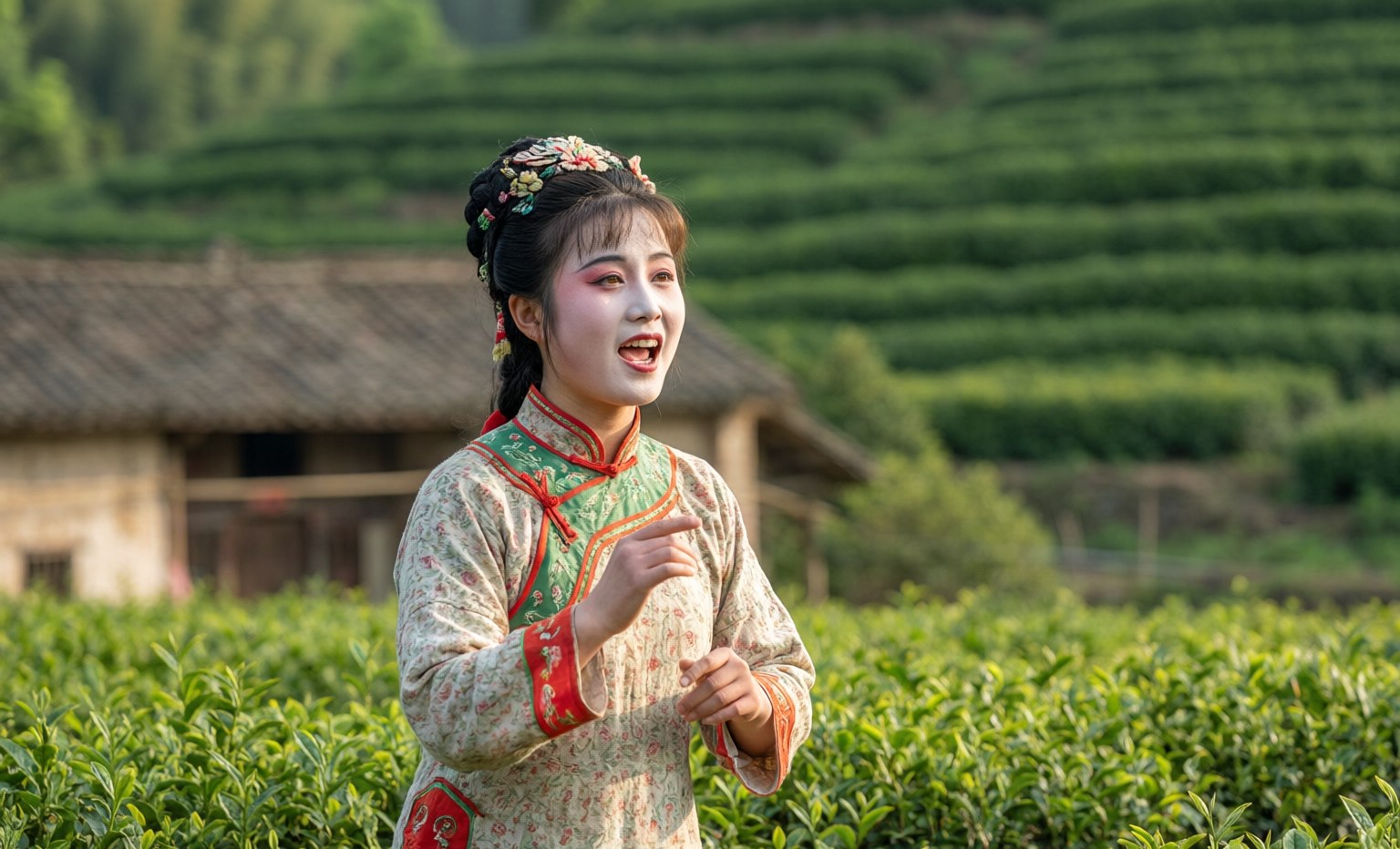 Anhui
Anhui
Cheerful, accessible melodies from the tea hills of Anqing.
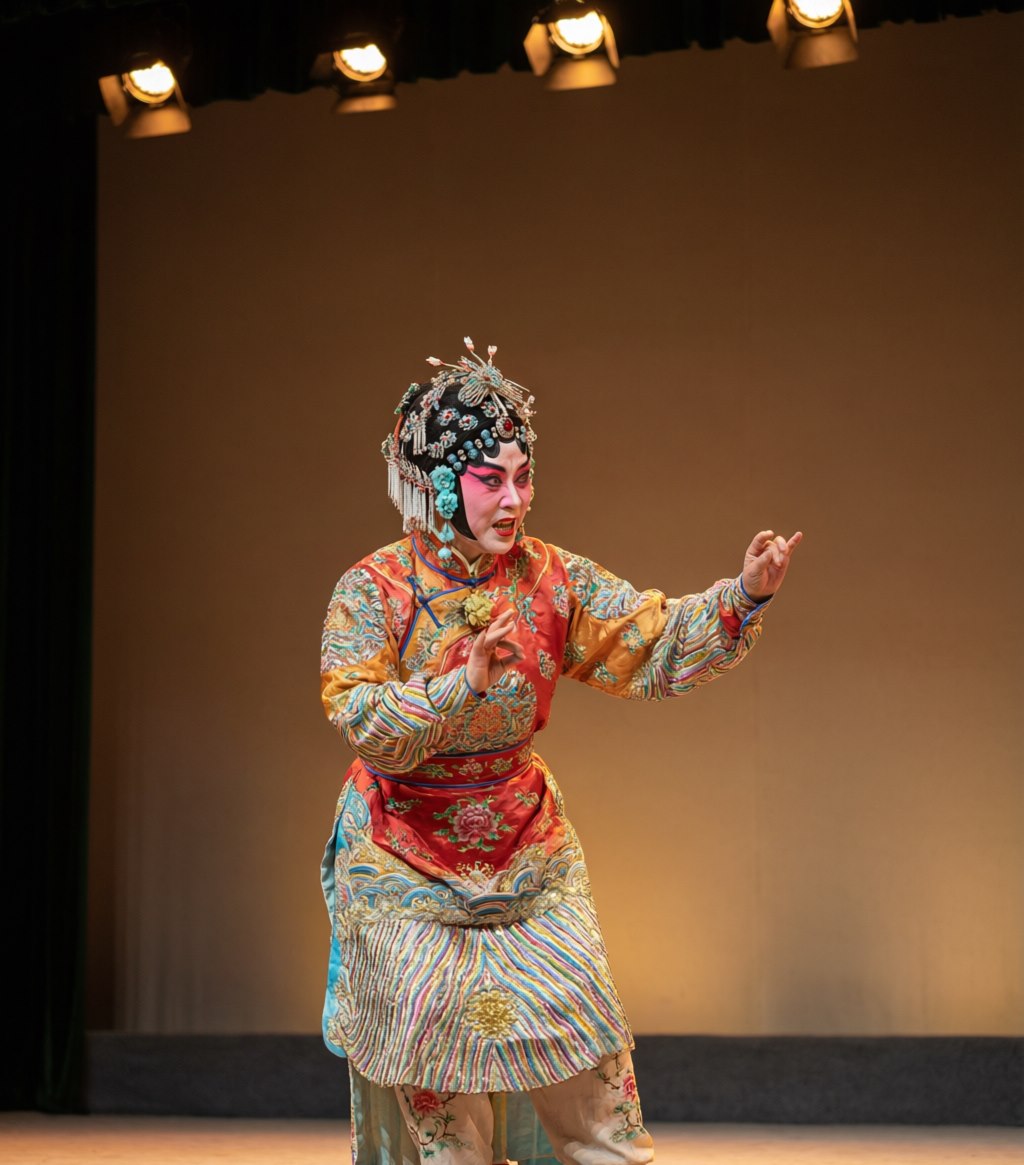 North China
Earthy, spoken-sung drama of the northern plains and cities.
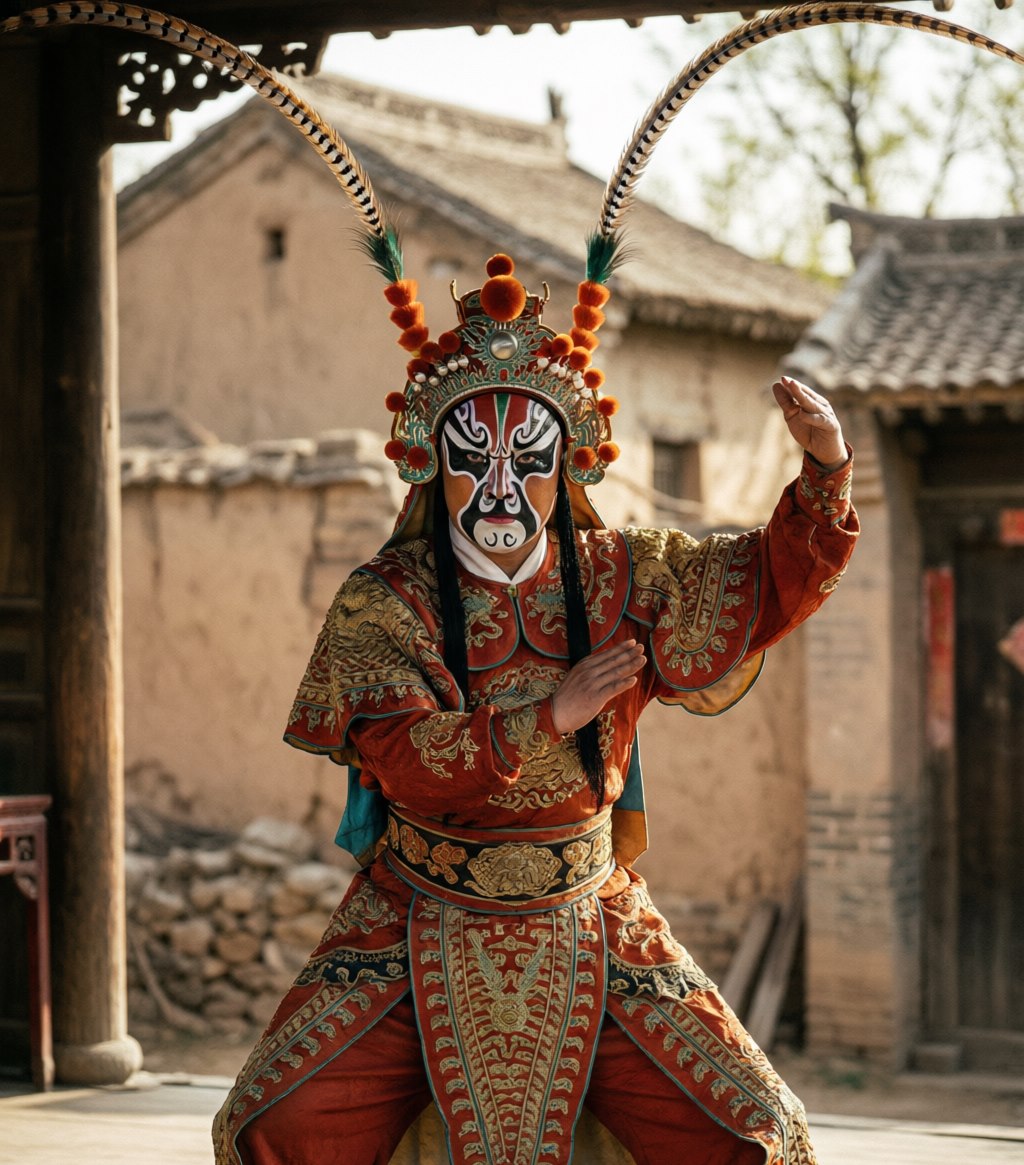 Henan
Henan
Powerful, clapper-driven opera of the Central Plains — China's largest by performers.
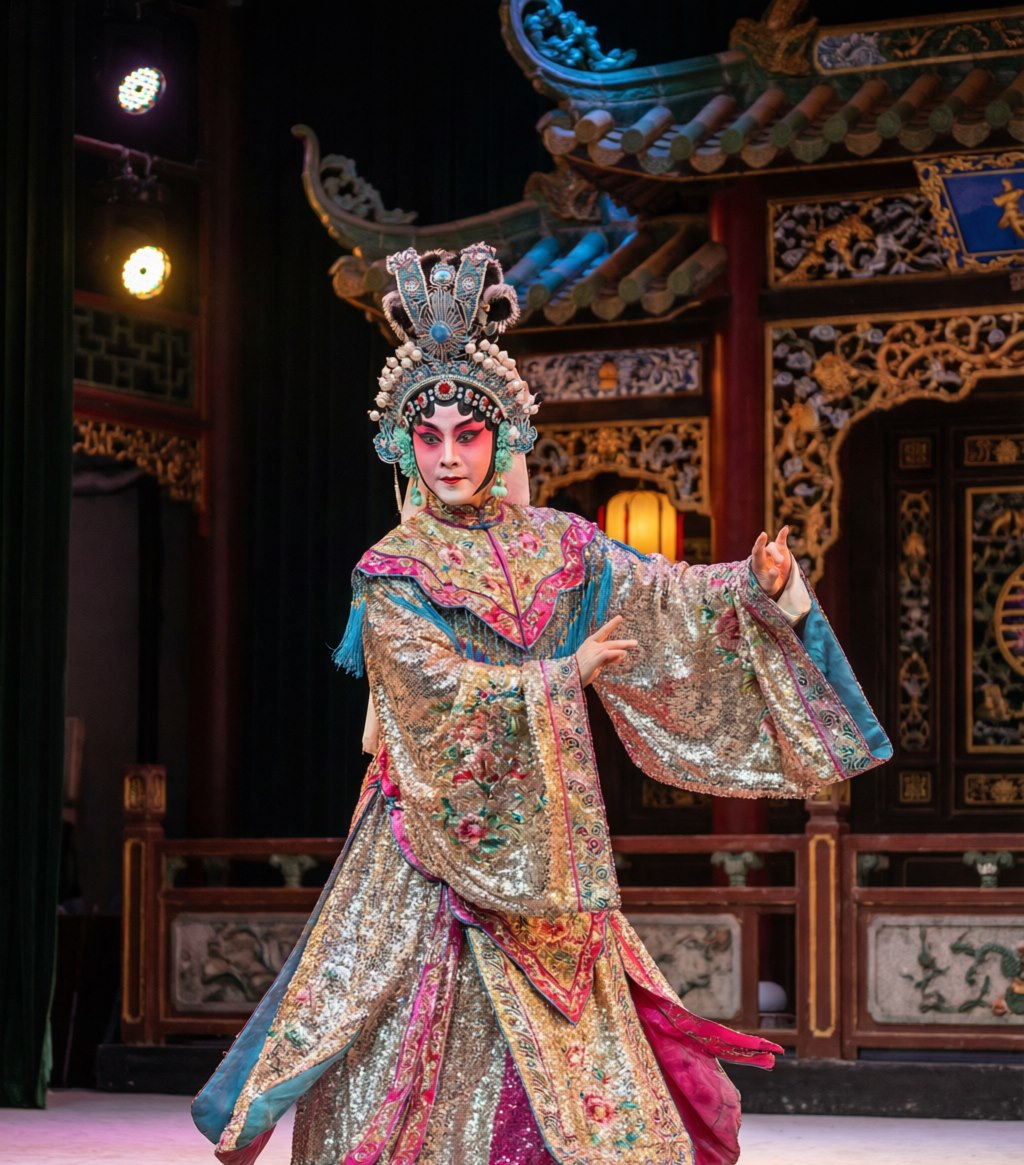 Guangdong
Dazzling costumes and Cantonese song, from the Pearl River to the diaspora.
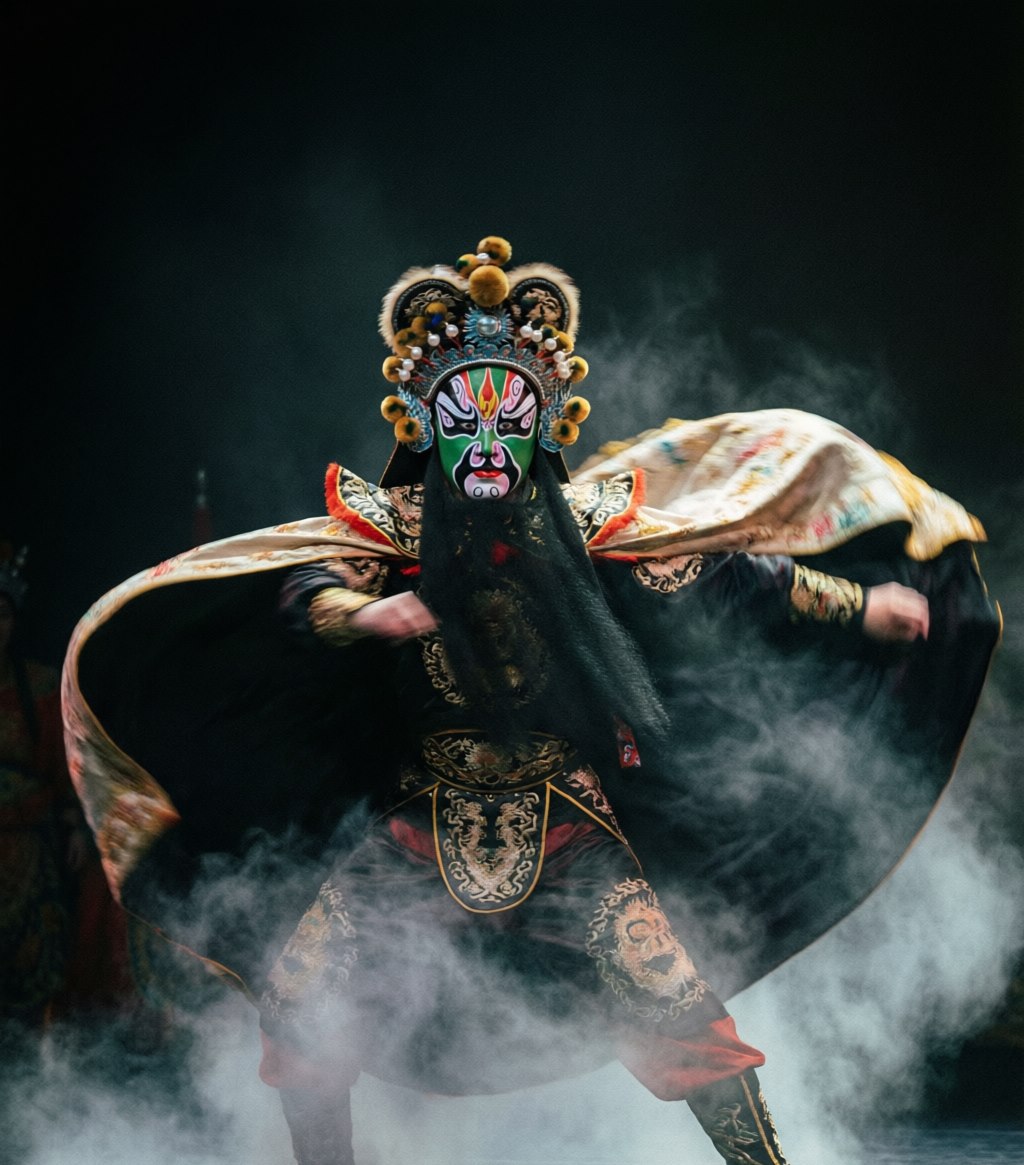 Sichuan
Famous for bian lian face-changing, fire-spitting, and sharp humor.