Guilin: Where Mountains Become Poetry
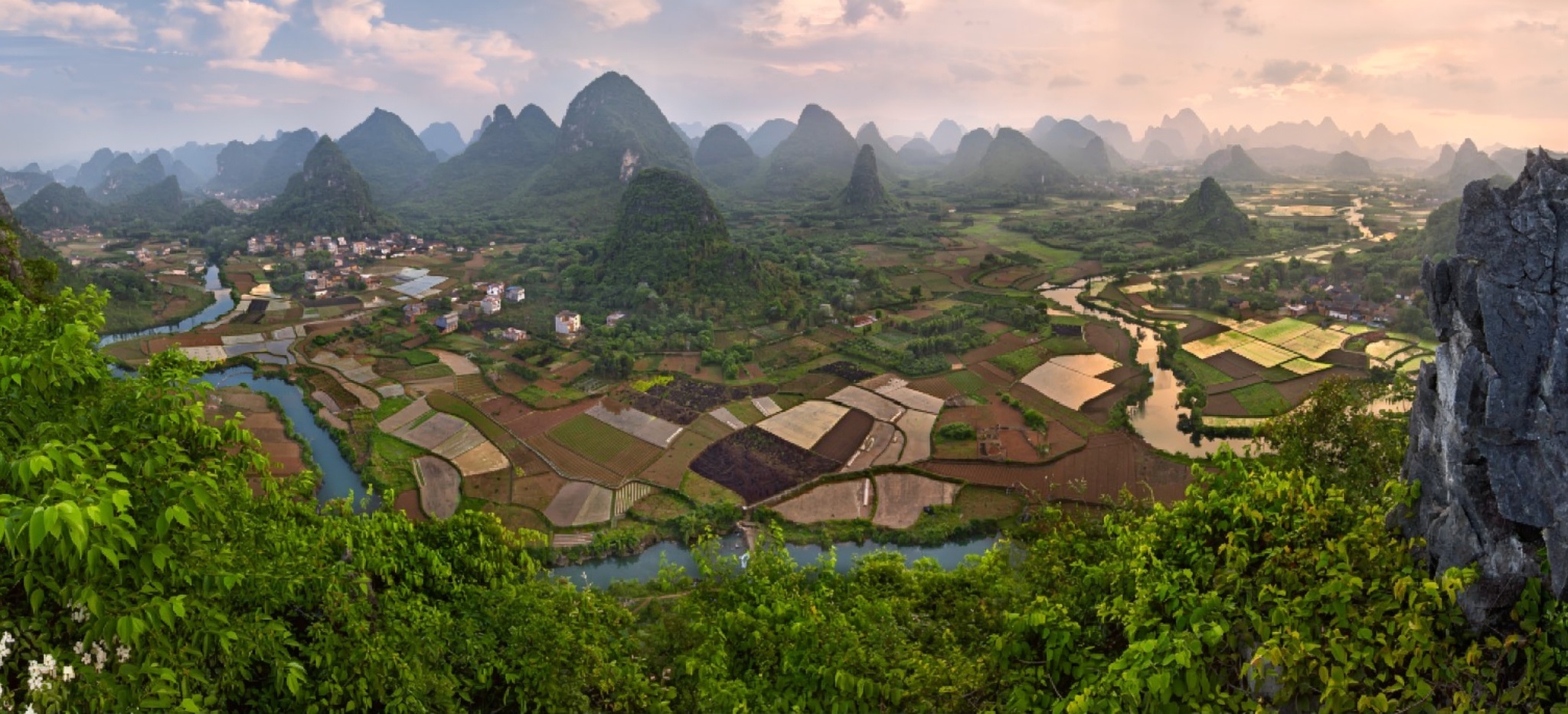
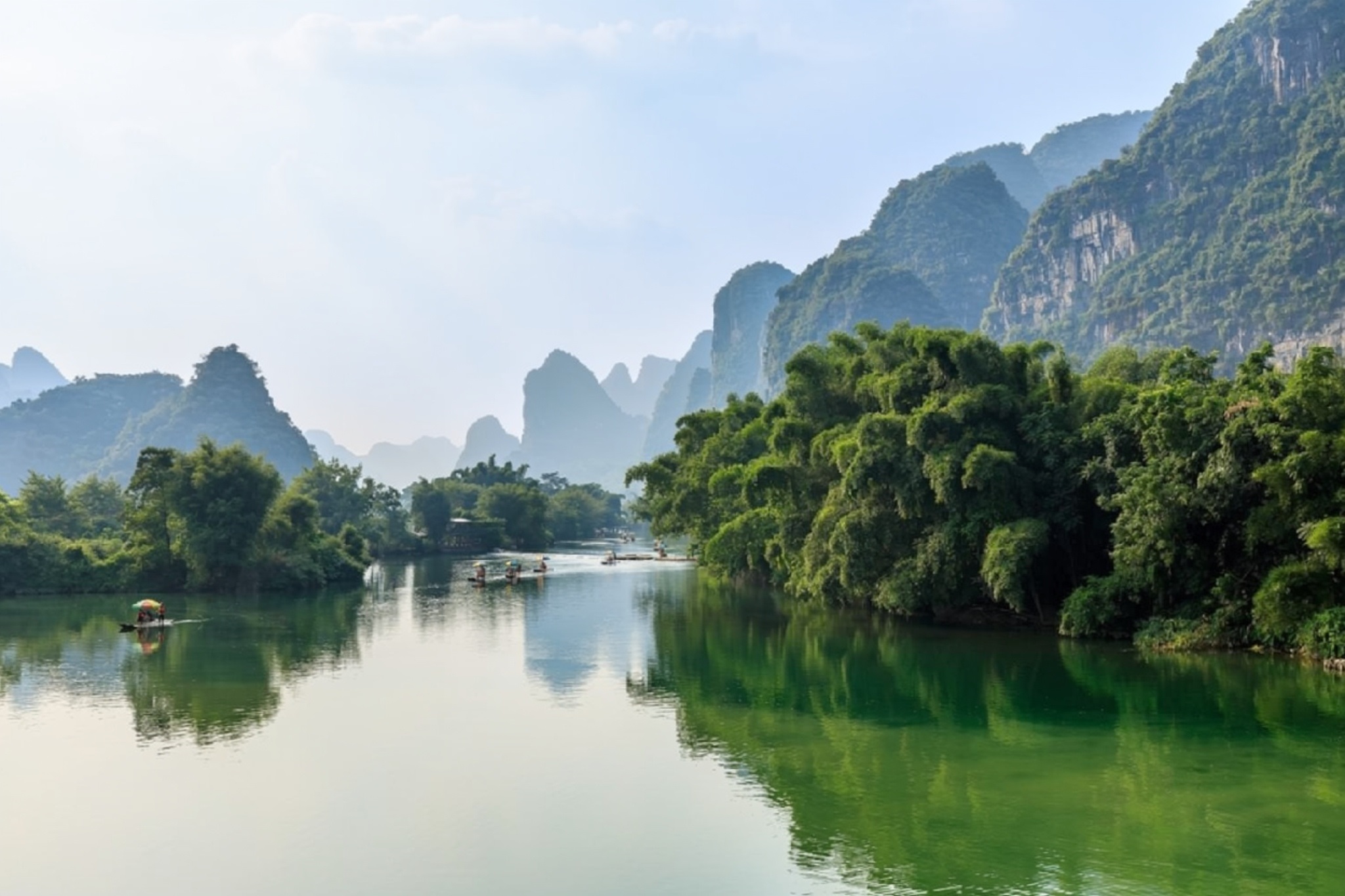
The limestone towers of Guilin and Yangshuo rise like ancient sentinels from emerald rice paddies. These surreal formations have inspired landscape painters and poets for over a thousand years.
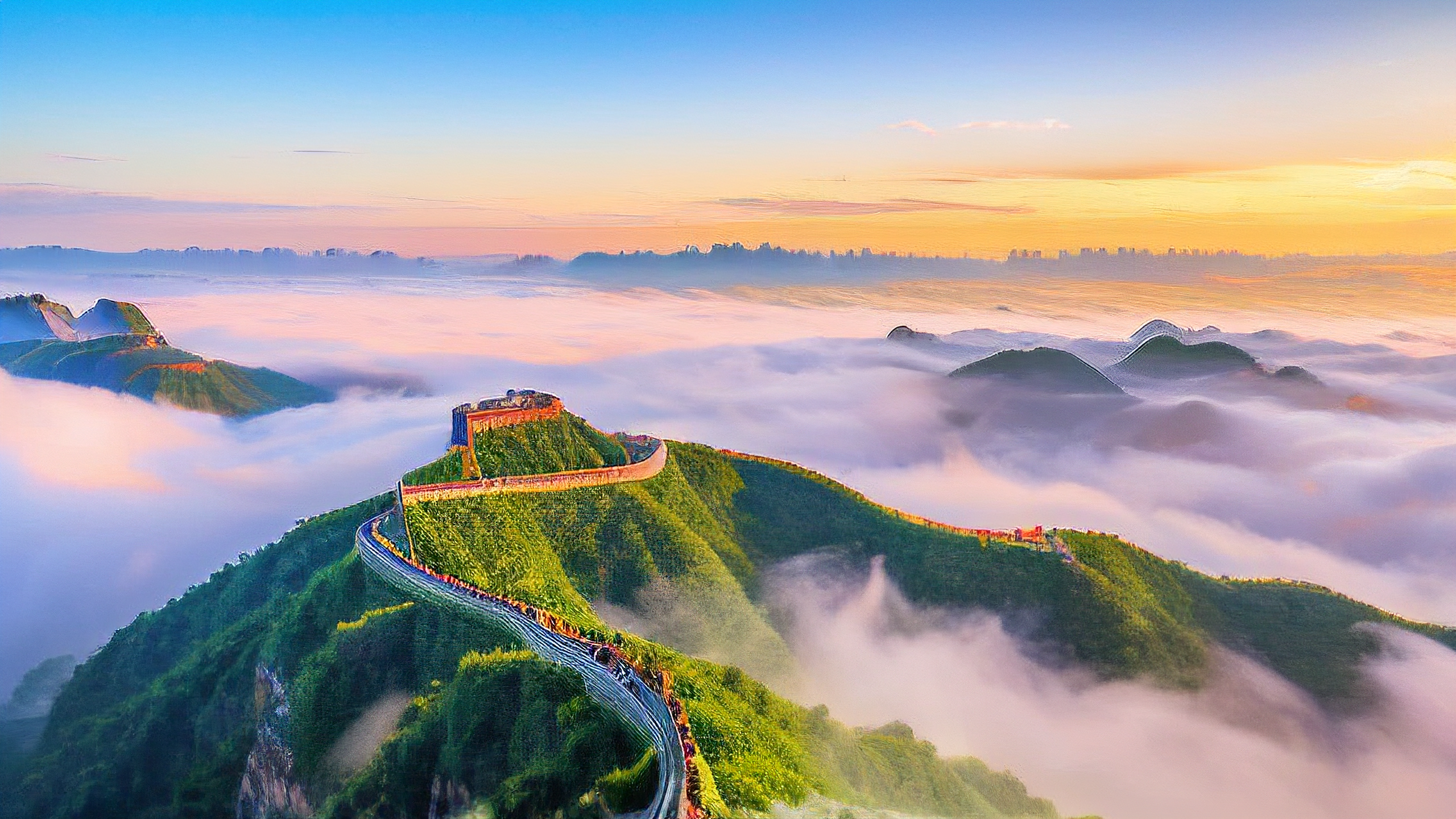
Where mountains touch heaven and rivers carry memory — the sacred geography that shaped a civilization's soul.
The limestone towers of Guilin and Yangshuo rise like ancient sentinels from emerald rice paddies. These surreal formations have inspired landscape painters and poets for over a thousand years.
Its sea of clouds, grotesque pines, and granite peaks have inspired artists for a millennium. Huangshan is not a place — it is a state of mind, the ultimate expression of shan shui philosophy.
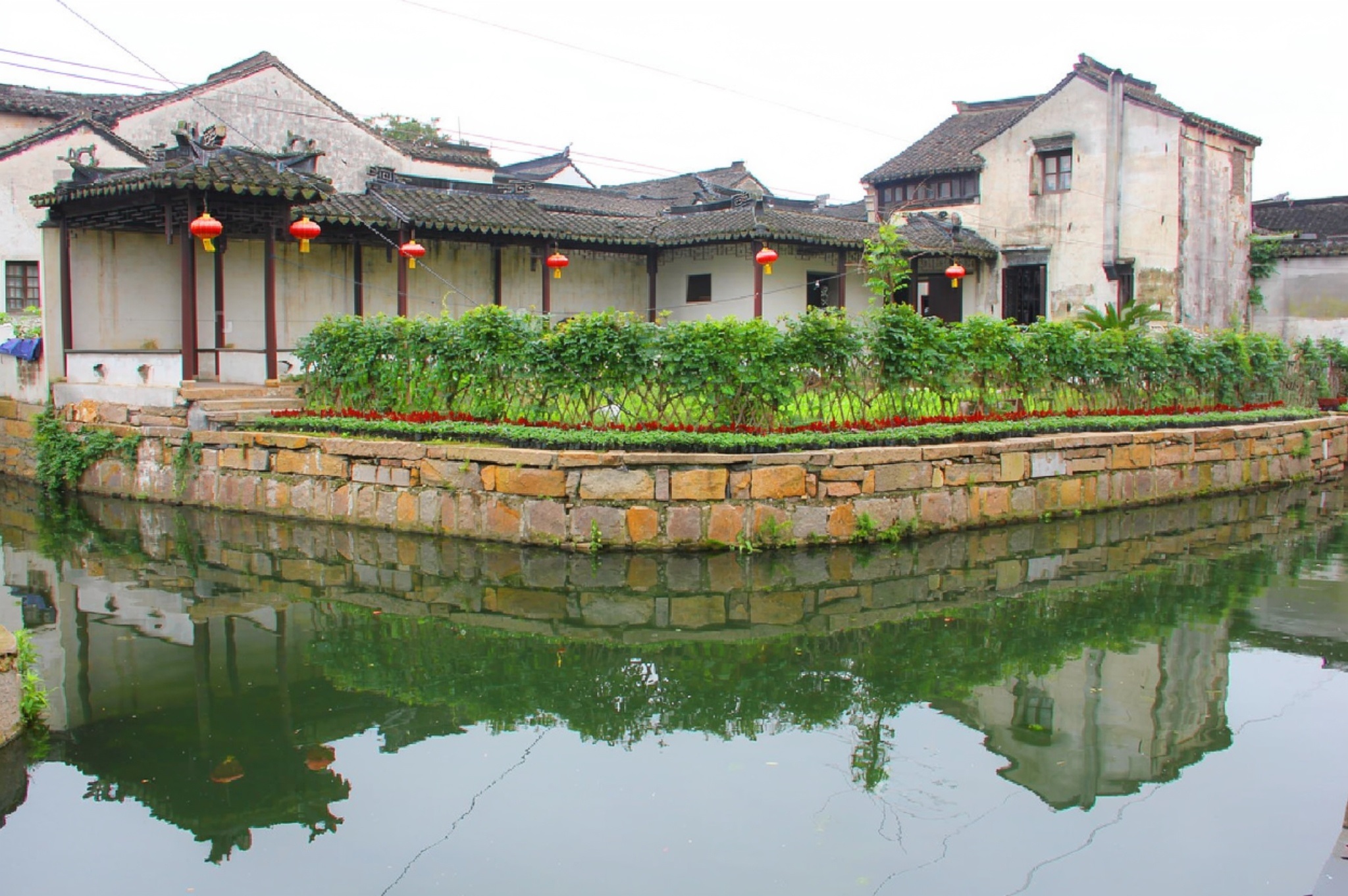
Zhouzhuang, Wuzhen, Xitang — where whitewashed walls meet dark tile roofs, stone bridges arch over canals, and time moves at the speed of a drifting boat. Living paintings of old China.
Each of the Five Sacred Mountains represents a cardinal direction and a cosmic principle. To climb them is to perform a pilgrimage as old as Chinese civilization itself — Tai Shan, Hua Shan, and beyond.
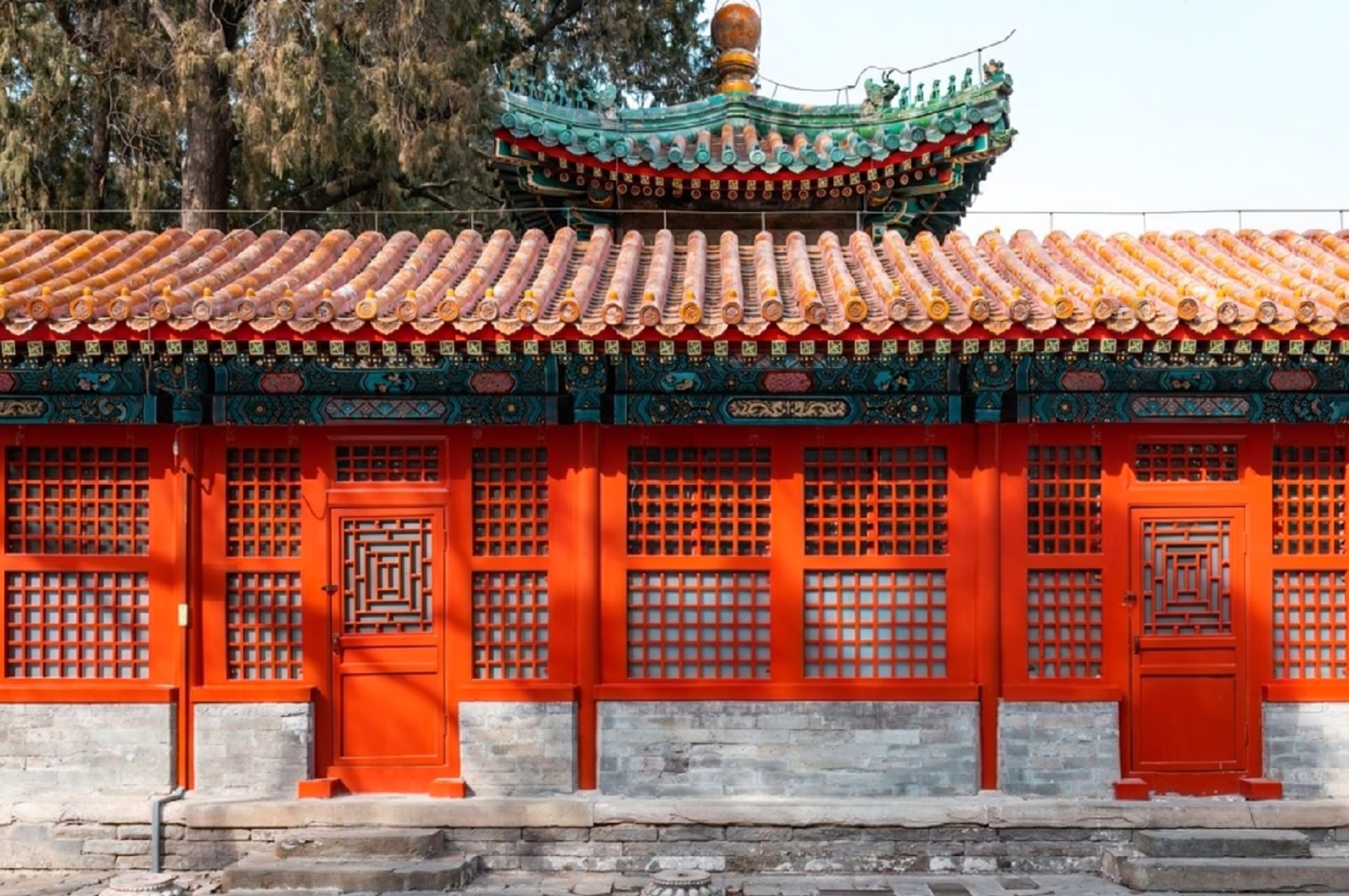
Hongcun and Xidi preserve the architectural genius of Ming-era merchants — horse-head walls, ancestral halls, and feng shui principles carved into stone and wood across centuries.
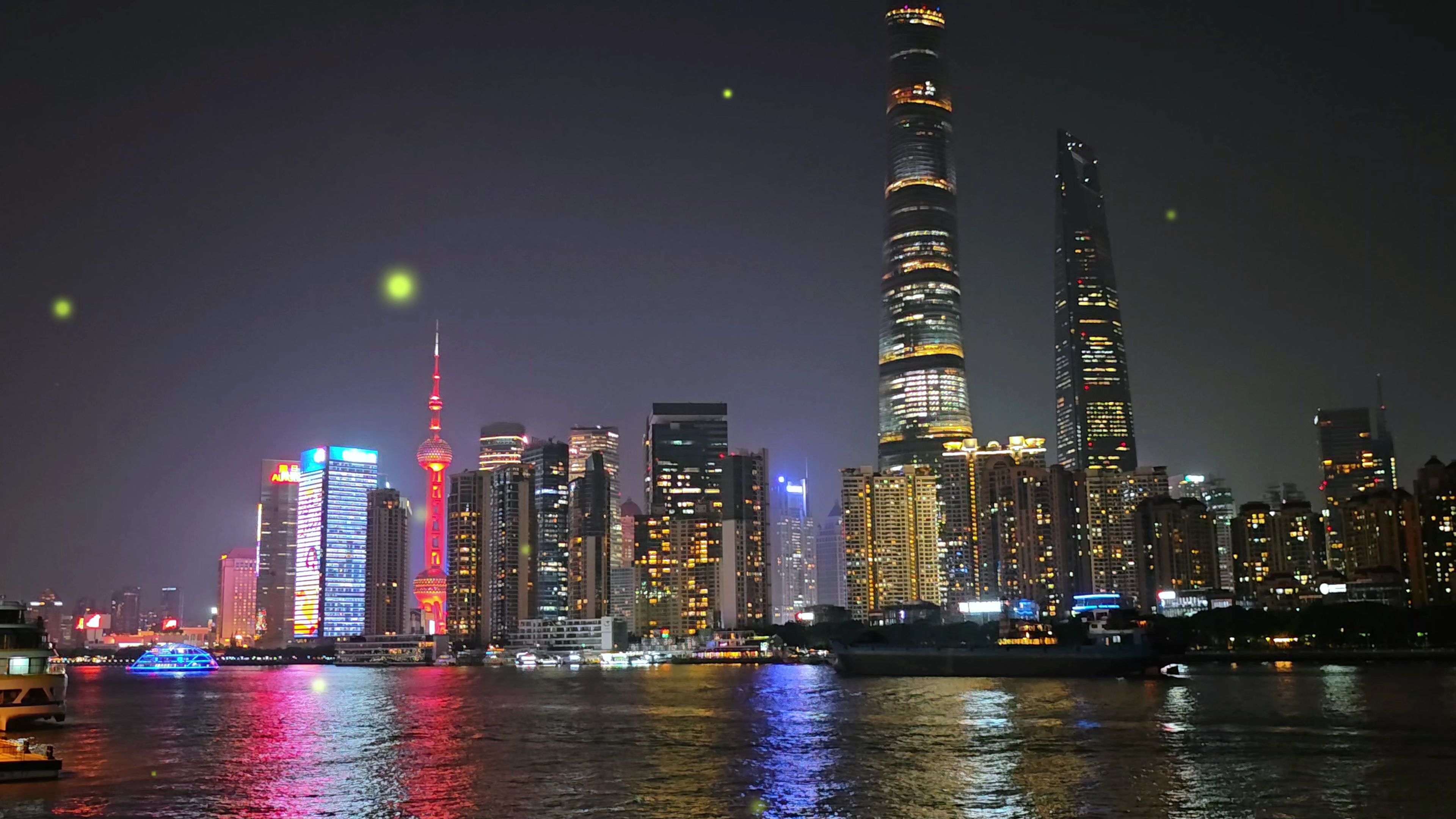
Fifty-two historic buildings on one bank, a futuristic skyline on the other. The Bund is where colonial history meets 21st-century ambition — a 1.5-kilometer promenade that tells the story of modern China.
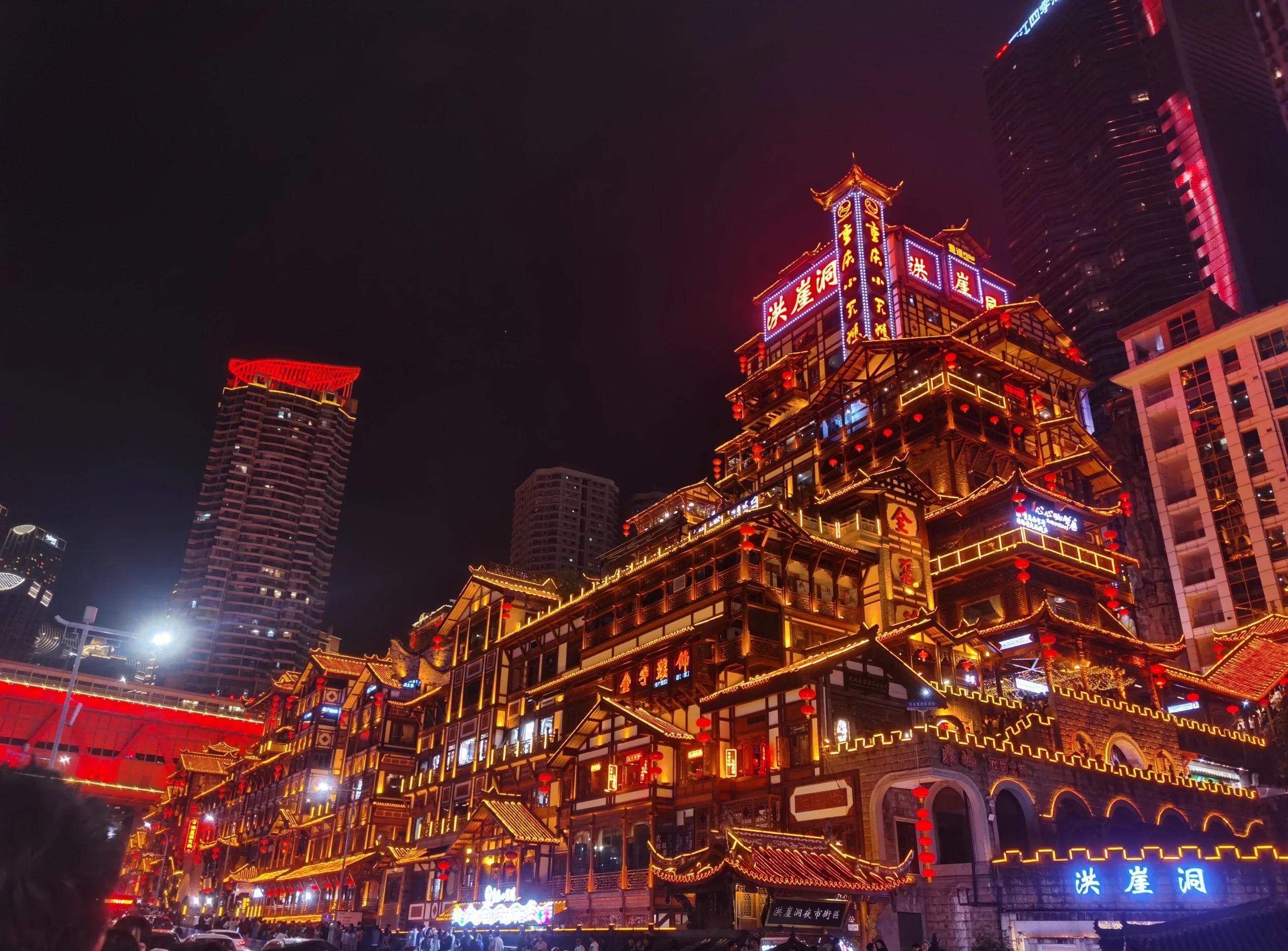
An 11-story stilted house complex clinging to a cliff face, glowing golden at night like a scene from Spirited Away. Hongyadong is Chongqing's viral sensation — traditional Bayu architecture made impossibly vertical.
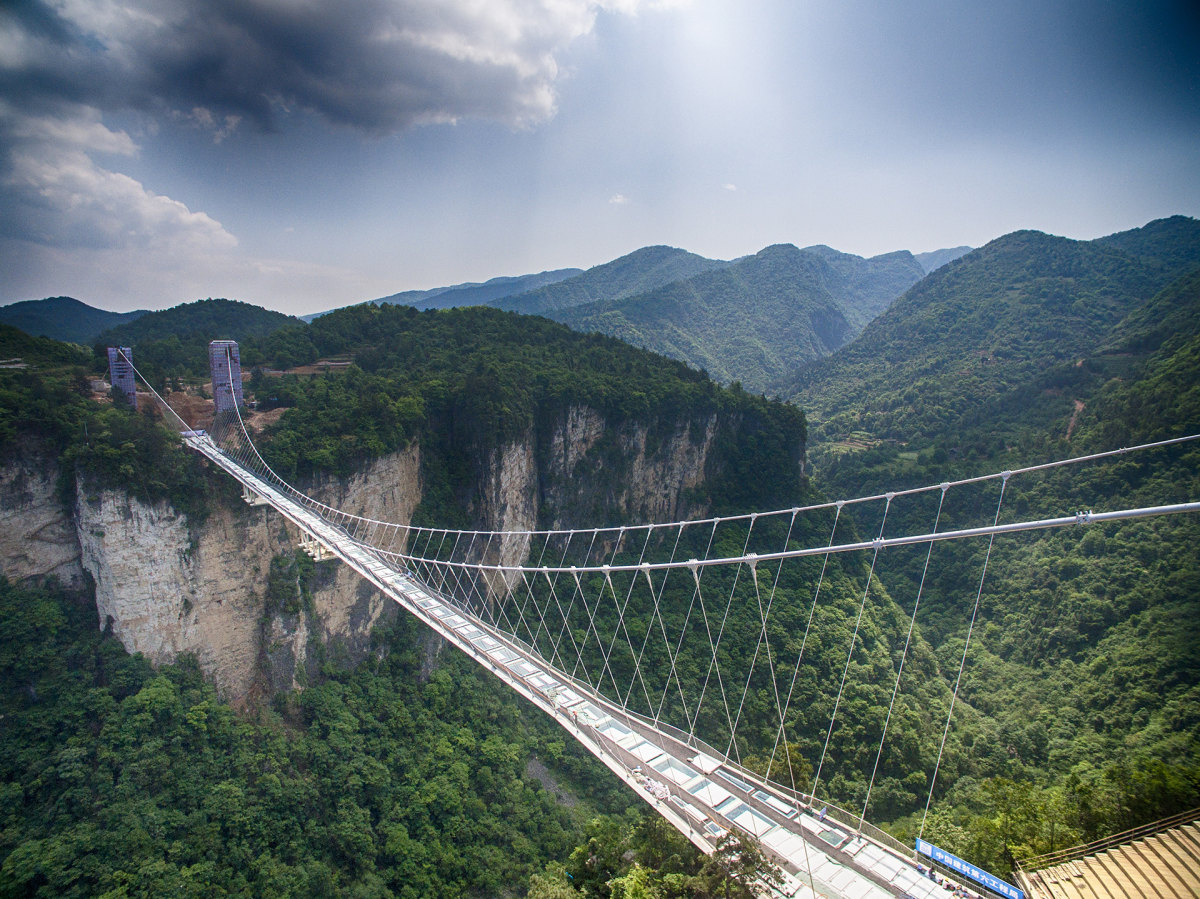
Three thousand quartz sandstone pillars rise from the mist like a landscape from another planet — and indeed, they inspired the floating mountains of Avatar. A UNESCO site 380 million years in the making.
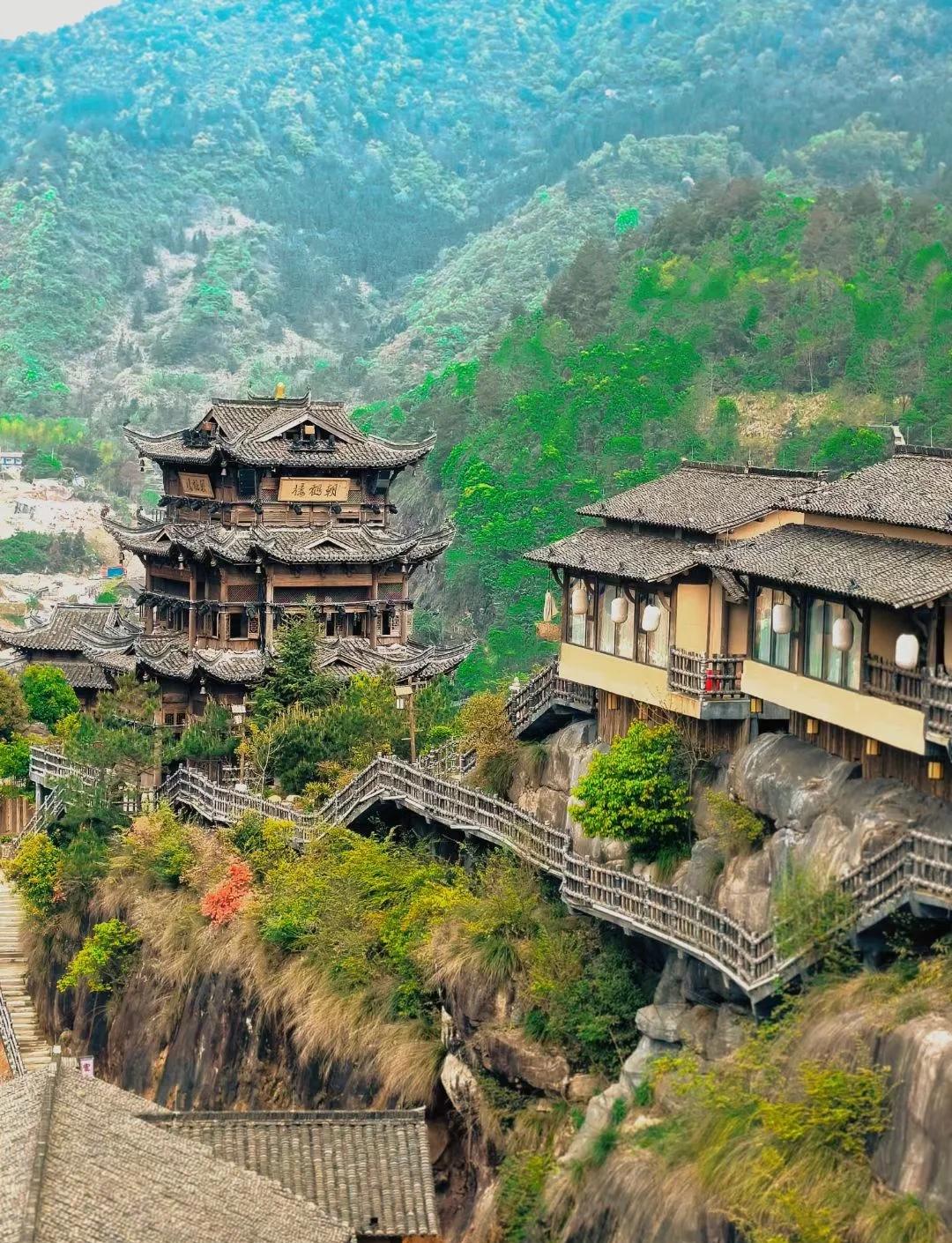
Ancient-looking buildings cling to sheer cliff faces above a narrow gorge, lanterns glowing at dusk. Wangxian Valley in Jiangxi looks like a scene from a Chinese fantasy novel — and that's exactly the point.